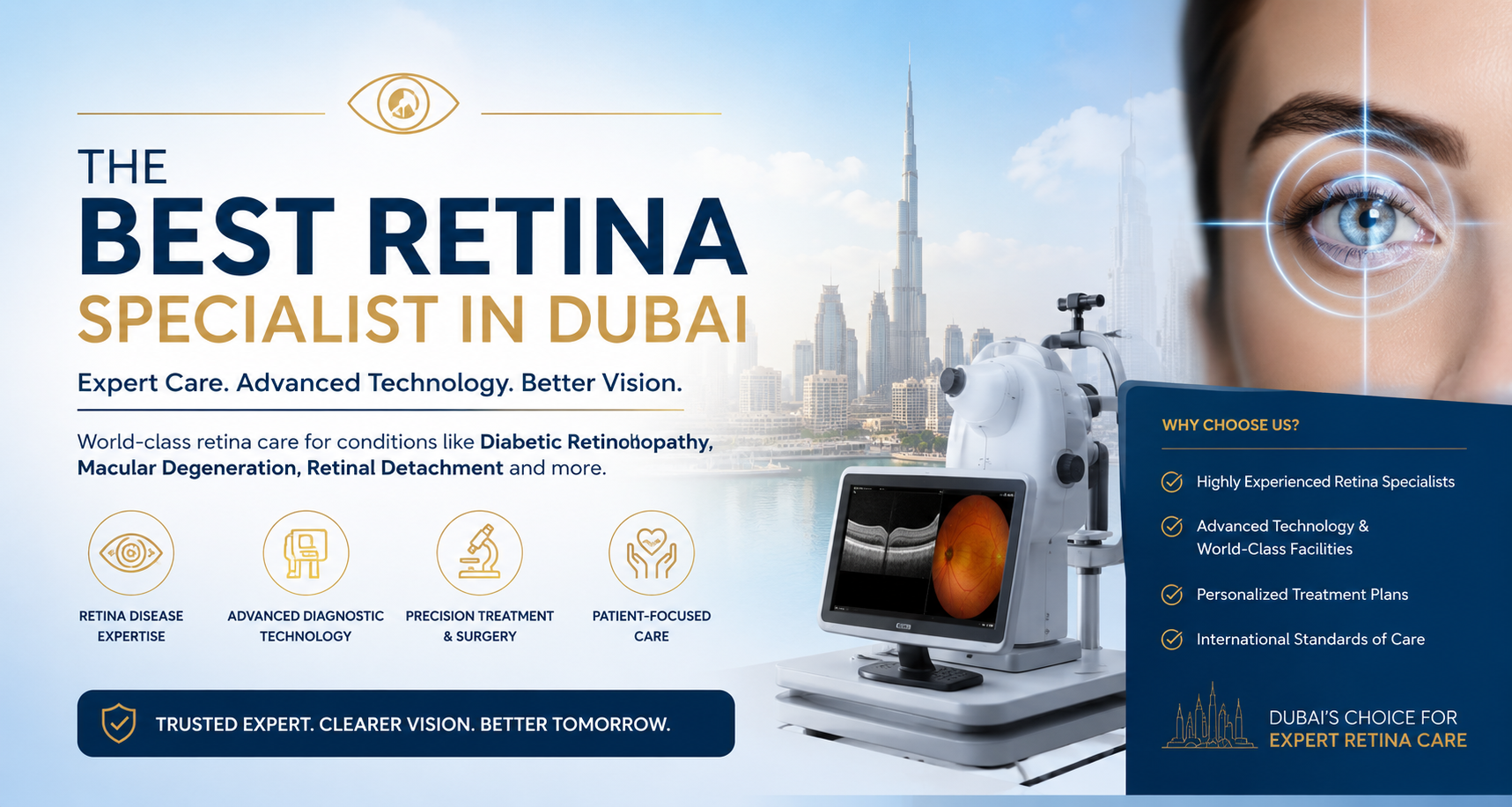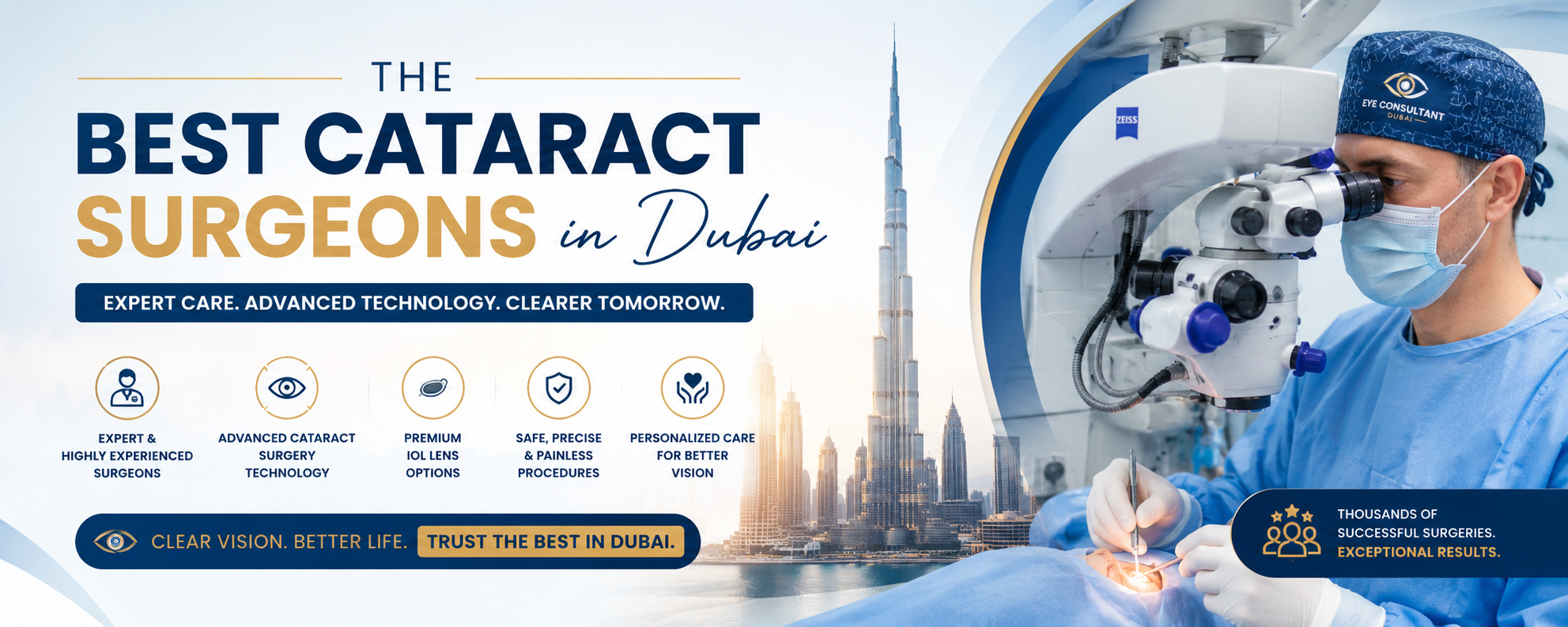
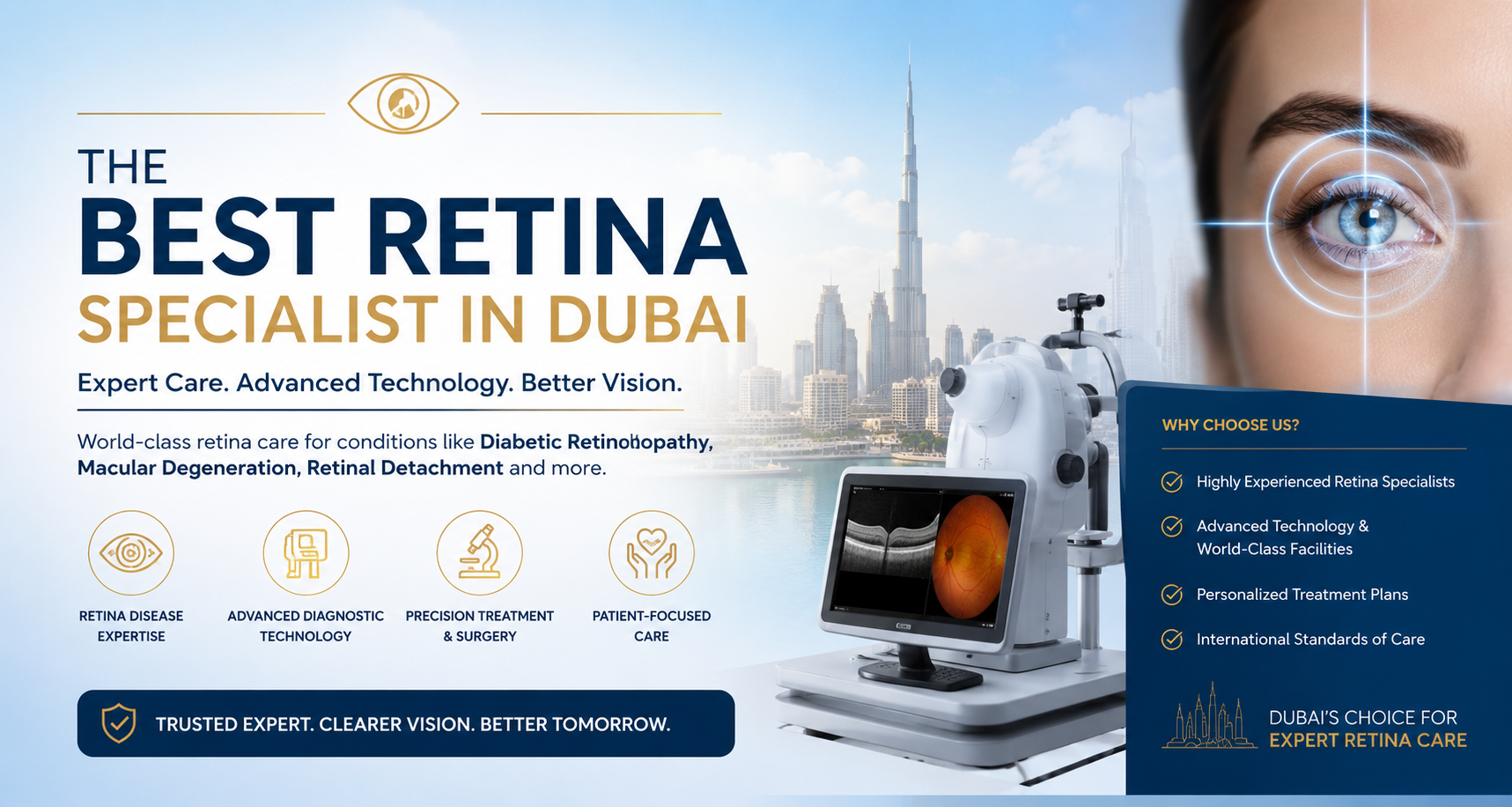
Vision is one of the most valuable aspects of everyday life, making retinal health essential for maintaining clear and comfortable sight. The retina is a light-sensitive layer at the back of the eye that converts light into signals sent to the brain. When retinal problems develop, they can affect central vision, peripheral vision, and overall visual function. Choosing the best retina specialist in Dubai can help patients receive an accurate diagnosis, appropriate treatment, and ongoing care for various retinal conditions.
Dubai offers access to modern ophthalmic facilities and advanced diagnostic technologies. Understanding common retinal disorders, recognizing warning signs, and knowing what to look for in an eye specialist can help patients make informed decisions about their vision care.
Why Is Retinal Health Important?
The retina plays a critical role in processing visual information. Damage to this delicate tissue may result from diabetes, age-related changes, inflammation, injury, or other eye conditions. Some retinal diseases progress gradually, while others develop suddenly and require urgent medical attention.
Regular eye examinations are particularly important for people with diabetes, high blood pressure, a family history of retinal disease, or previous eye surgery. Early detection can help specialists identify changes before significant vision loss occurs.
A comprehensive retinal assessment may include a dilated eye examination, optical coherence tomography (OCT), retinal photography, and other investigations based on the patient’s symptoms and medical history.
Common Retinal Conditions That Require Specialist Care
A retina specialist focuses on diagnosing and treating disorders affecting the retina and vitreous, the gel-like substance inside the eye. Some of the most common conditions include:
1. Diabetic Retinopathy
Diabetic retinopathy develops when elevated blood sugar damages the small blood vessels in the retina. In its early stages, the condition may not cause noticeable symptoms. As it progresses, patients may experience blurred vision, dark spots, or vision loss.
Treatment depends on the severity of the disease and may involve blood sugar management, intravitreal injections, laser treatment, or retinal surgery in advanced cases. Routine diabetic eye screening is essential for identifying changes early.
2. Retinal Detachment
Retinal detachment occurs when the retina separates from the tissue supporting it. Without timely treatment, it can lead to permanent vision loss.
Warning signs may include sudden flashes of light, a sudden increase in floaters, or a dark shadow resembling a curtain across the field of vision. These symptoms require immediate ophthalmic assessment rather than waiting for a routine appointment.
3. Age-Related Macular Degeneration
Age-related macular degeneration (AMD) affects the macula, the central part of the retina responsible for detailed vision. It can make reading, recognizing faces, and performing close-up tasks more difficult.
Depending on the type and stage, management may include monitoring, lifestyle guidance, and anti-VEGF injections for eligible patients with wet AMD.
4. Macular Hole and Epiretinal Membrane
A macular hole is a small opening in the central retina, whereas an epiretinal membrane is a thin layer of tissue that develops over the retinal surface. Both conditions can cause distorted or blurred central vision.
Specialists may recommend observation for mild cases or surgery, such as vitrectomy, when symptoms and clinical findings indicate that intervention is appropriate.
How to Choose the Best Retina Specialist in Dubai
Selecting a qualified retinal specialist involves more than comparing clinic locations or treatment prices. Patients should evaluate several important factors before making a decision.
- Specialized qualifications: Look for an ophthalmologist with appropriate training and experience in medical and surgical retinal diseases.
- Diagnostic technology: Access to OCT imaging, retinal photography, and other relevant tests can support accurate diagnosis and treatment planning.
- Experience with specific conditions: Patients with diabetic eye disease, retinal detachment, macular disorders, or complex vitreoretinal problems should seek relevant specialist expertise.
- Clear communication: A good specialist explains the diagnosis, available treatment options, potential risks, expected benefits, and follow-up requirements.
- Continuity of care: Many retinal conditions require repeated examinations, ongoing injections, or long-term monitoring.
- Transparent treatment planning: Patients should understand the proposed procedure, recovery expectations, and likely costs before proceeding.
It is also sensible to confirm the doctor’s current professional licensing and ask questions about the recommended treatment before making a decision.
Advanced Retinal Treatments Available in Dubai
Retinal treatment depends on the underlying condition, its severity, and the patient’s overall eye health. Modern ophthalmology uses several approaches to preserve or improve vision.
| Treatment | Common application |
|---|---|
| Intravitreal injections | Selected cases of wet AMD, diabetic macular edema, and retinal vein occlusion |
| Retinal laser therapy | Certain retinal tears and complications of diabetic retinopathy |
| Vitrectomy surgery | Retinal detachment, some macular holes, and vitreous-related disorders |
| OCT imaging | Detailed assessment of retinal layers and monitoring of disease progression |
| Retinal examination | Detection of retinal abnormalities and evaluation of symptoms |
Not every patient requires surgery. Some conditions can be managed with monitoring, medication, injections, or laser treatment. A specialist determines the most suitable approach after examining the retina and reviewing relevant medical information.
When Should You See a Retina Specialist?
Patients should arrange a retinal assessment if they notice persistent blurred vision, distorted straight lines, unexplained central vision changes, or new visual disturbances.
Certain symptoms require emergency attention, particularly a sudden shower of floaters, flashes of light, a curtain-like shadow, or sudden loss of vision. Prompt assessment is important because some retinal problems become more difficult to treat as time passes.
People living with diabetes should also follow recommended diabetic eye screening schedules, even when their vision appears normal.
Supporting Long-Term Retinal Health
Although not all retinal diseases can be prevented, healthy habits and appropriate medical care can reduce certain risks and support long-term eye health.
Practical steps include:
- Keep blood glucose and blood pressure within the ranges recommended by your healthcare professional.
- Attend regular comprehensive eye examinations, especially if you have diabetes.
- Avoid smoking, which is associated with an increased risk of several eye diseases.
- Follow prescribed treatment schedules and attend follow-up appointments.
- Report sudden changes in vision without delay.
- Discuss family history and existing medical conditions with your ophthalmologist.
These measures complement professional eye care but cannot replace retinal examinations or prescribed treatment.
Personalized Retinal Care for Better Vision Protection
Finding the right retinal care provider is an important step toward protecting eyesight and managing complex eye conditions. Patients should prioritize clinical expertise, appropriate diagnostic facilities, clear explanations, and individualized treatment recommendations instead of relying solely on online rankings or promotional claims.
RetinaCareDubai provides a starting point for individuals seeking information about retinal health and specialist eye care in Dubai. Patients should review the available services, verify the treating specialist’s qualifications, and arrange an appropriate examination to determine the best course of care for their needs.
Frequently Asked Questions
Who should visit a retina specialist?
People with diabetic retinopathy, retinal tears, retinal detachment, macular degeneration, unexplained visual changes, or other suspected retinal disorders may need assessment by a retina specialist. Individuals with diabetes should follow recommended screening guidelines even if they have no symptoms.
What are the early signs of retinal problems?
Possible warning signs include blurred vision, distorted lines, new floaters, flashes of light, dark spots, or difficulty seeing details. Some retinal diseases have no early symptoms, making routine examinations important for people at increased risk.
Is retinal surgery always necessary?
No. Treatment depends on the diagnosis and severity of the condition. Some patients need regular monitoring, injections, or laser therapy, while others may benefit from surgery. A qualified specialist can explain the available options.
How often should I have a retinal examination?
The appropriate frequency depends on age, medical history, diabetes status, previous eye conditions, and examination findings. Your ophthalmologist can recommend an individualized screening and follow-up schedule.
When is a retinal problem an emergency?
Sudden vision loss, a curtain-like shadow, or a sudden increase in floaters accompanied by flashes may indicate a retinal emergency. Seek immediate ophthalmic or emergency eye care rather than waiting for a routine appointment.