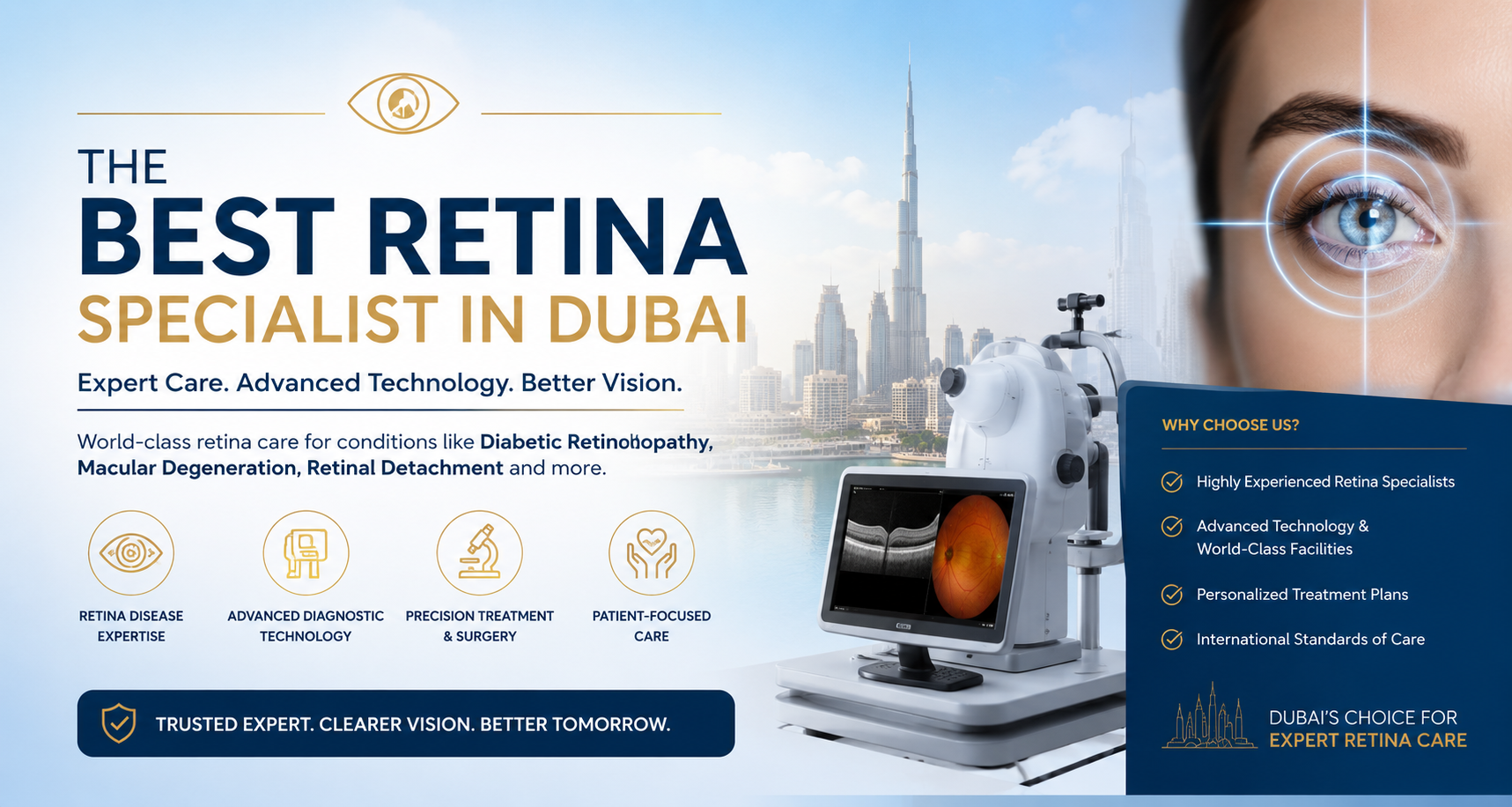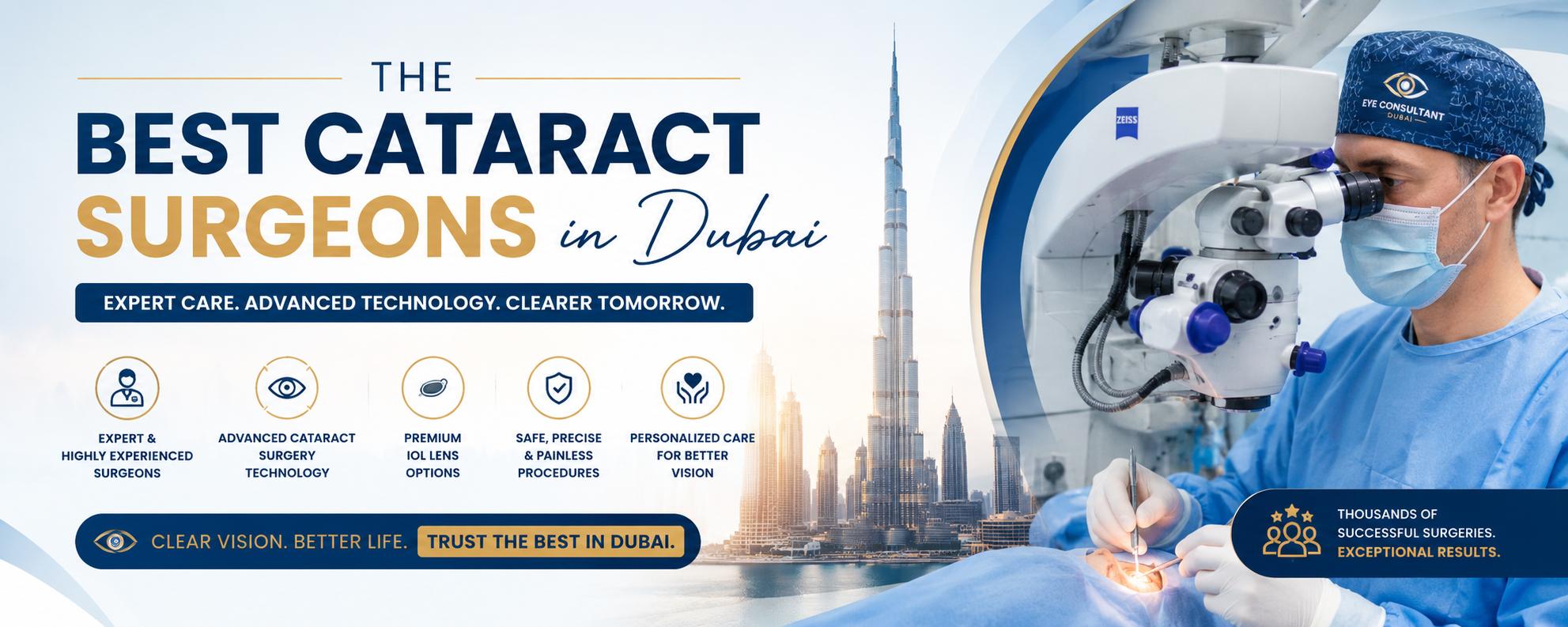

Finding the best Indian eye specialist in Dubai is an important decision when your vision, comfort, or long-term eye health is involved. Dubai has a diverse medical community, including Indian ophthalmologists with experience in cataract surgery, retinal disorders, glaucoma, corneal conditions, and general eye care. Several Dubai-based specialists have completed advanced ophthalmology training in India and internationally, with expertise ranging from medical retina to complex eye surgery.
The right specialist should not be selected only because of nationality or online popularity. Qualifications, subspecialty training, clinical experience, diagnostic facilities, treatment options, communication, and patient-focused care are much more important.
What Makes an Indian Eye Specialist in Dubai a Good Choice?
Indian ophthalmologists are widely represented in Dubai’s healthcare sector, and many have trained at established medical institutions in India and abroad. For example, Dubai specialists listed by major healthcare providers have qualifications such as MS, DNB, FRCS and specialist fellowships in areas including retina, glaucoma and cataract surgery.
Key qualities to look for
When comparing an eye doctor, consider:
- Recognised medical and ophthalmology qualifications
- UAE medical licensing and professional registration
- Fellowship or advanced training in the relevant subspecialty
- Experience with your specific eye condition
- Access to modern diagnostic technology
- Clear explanation of treatment choices
- Transparent discussion of benefits, limitations and risks
- Appropriate follow-up after treatment
Which Eye Conditions Require a Specialist?
Not every eye problem requires a highly specialised surgeon. Routine concerns such as mild dry eye, refractive errors or common infections may be managed by a general ophthalmologist. More complex conditions can benefit from a doctor with focused subspecialty expertise.
Retina and diabetic eye disease
Retinal specialists diagnose and manage conditions such as diabetic retinopathy, retinal tears, macular disorders and retinal detachment. Advanced retinal care may involve OCT imaging, retinal laser treatment, intravitreal injections or vitreoretinal surgery, depending on the diagnosis. Dubai ophthalmologists with retina expertise currently offer these types of services.
Cataract and lens problems
Cataract surgery is one of the most common ophthalmic procedures. An experienced surgeon should assess the severity of the cataract, understand the patient’s lifestyle and discuss suitable intraocular lens options rather than recommending the same lens to everyone.
Glaucoma
Glaucoma can damage the optic nerve gradually, sometimes without obvious symptoms during its early stages. A specialist may evaluate eye pressure, the optic nerve, visual fields and other risk factors before recommending observation, medication, laser treatment or surgery.
How to Compare Eye Specialists in Dubai
| FactorWhat to CheckWhy It Matters | ||
| Qualification | MS, DNB, FRCS or equivalent | Demonstrates formal specialist training |
| Experience | Years and relevant procedures | Helps assess clinical familiarity |
| Subspecialty | Retina, cataract, glaucoma, cornea, etc. | Matches expertise to your condition |
| Diagnostics | OCT, retinal imaging, visual field testing | Supports accurate diagnosis |
| Communication | Clear explanations | Helps patients make informed decisions |
| Follow-up | Post-treatment monitoring | Important for long-term outcomes |
A practical selection process
1. Identify your eye-care need. Know whether you need cataract evaluation, retinal treatment, glaucoma assessment, or a routine eye examination.
2. Check the doctor’s credentials. Look beyond star ratings and verify qualifications, professional experience and areas of expertise.
3. Ask about diagnosis. A good consultation should explain what is causing the problem and whether additional tests are necessary.
4. Discuss treatment alternatives. Ask why a particular procedure or medicine is recommended and whether non-surgical options are appropriate.
5. Understand follow-up care. Eye treatment does not always end after a procedure. Monitoring can be essential, particularly for retinal and glaucoma conditions.
Why Advanced Eye Diagnostics Matter
Modern ophthalmology depends heavily on accurate imaging and careful clinical assessment. Technologies such as optical coherence tomography can provide detailed views of retinal structures, while retinal imaging and visual field testing can support the evaluation of several eye diseases. Specialists in Dubai use these diagnostic approaches according to the patient’s condition.
Ask these questions during your consultation
- What is the exact diagnosis?
- Is the condition urgent?
- What tests are needed?
- Are there non-surgical treatment options?
- What are the expected benefits and risks?
- How many follow-up visits may be required?
FAQ: Best Indian Eye Specialist in Dubai
1. How do I find the best Indian eye specialist in Dubai?
Compare qualifications, subspecialty expertise, experience, diagnostic facilities, treatment options and patient communication before making a decision.
2. Are Indian ophthalmologists available in Dubai?
Yes. Dubai has many Indian ophthalmologists working across specialties including cataract, retina, glaucoma and comprehensive eye care.
3. Should I choose a retina specialist for diabetic retinopathy?
If you have diabetic retinopathy or another retinal condition, a medical retina specialist can provide focused evaluation and treatment.
4. What qualifications should I check?
Look for recognised ophthalmology qualifications such as MS, DNB or equivalent credentials, along with relevant fellowship training.
5. When should I see a cataract surgeon?
Persistent blurred vision, glare, difficulty reading or reduced night vision may justify a professional cataract assessment.
6. Can an eye specialist treat glaucoma?
Yes. Ophthalmologists with glaucoma expertise can diagnose and manage glaucoma using medication, laser procedures or surgery when appropriate.
7. What tests may be performed during an eye examination?
Depending on symptoms, testing may include vision assessment, eye-pressure measurement, retinal examination, OCT, retinal imaging or visual field testing.
8. Is a second opinion useful before eye surgery?
A second opinion can be valuable for major or complex procedures, especially when you want to understand alternative treatments or confirm a diagnosis.
9. How often should adults have eye examinations?
The appropriate frequency depends on age, medical history, symptoms, family history and existing eye conditions. Your ophthalmologist can recommend a personalised schedule.
10. What should I take to an eye consultation?
Bring previous eye reports, prescription details, medication information, medical records and information about previous eye surgeries or treatments.
Conclusion: Make Your Eye Health a Priority
Choosing the best Indian eye specialist in Dubai should be based on medical expertise rather than a single online ranking. Look for a qualified ophthalmologist whose experience matches your condition and who provides accurate diagnosis, understandable treatment advice and appropriate follow-up. For patients seeking specialised ophthalmic care, RetinaCareDubai can be considered as a professional option for discussing retinal, cataract and other advanced eye-care needs.
Don’t delay an eye examination when you notice sudden vision changes, flashes, floaters, distortion, persistent blurred vision or other unusual symptoms. Early professional assessment can help identify problems before they become more difficult to manage. Schedule a consultation and take the next informed step toward protecting your vision.
Contact – +971 502944374
Email ID – retinacaredubai@gmail.com
Website – https://retinacaredubai.com/