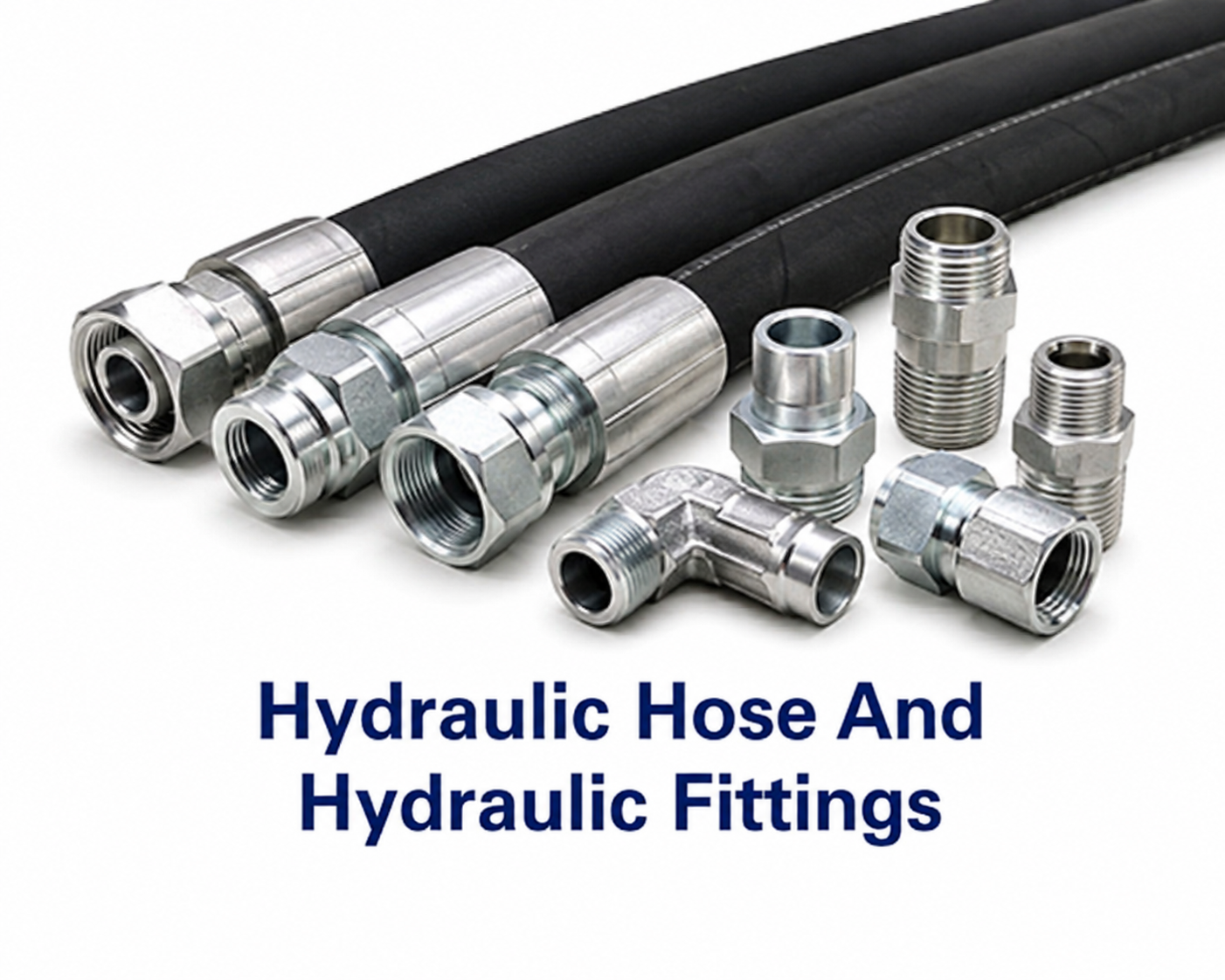
Modern industries depend on efficient fluid power systems to operate heavy machinery, industrial equipment, and automated processes. Among the most important components in these systems are Hydraulic Hose And Hydraulic Fittings, which ensure smooth transmission of hydraulic fluids under high pressure.
These components play a critical role in maintaining system performance, preventing leakage, and improving operational safety. Choosing the right hydraulic hose and fittings can significantly impact equipment reliability, productivity, and maintenance costs.
This detailed guide explains everything about hydraulic hoses, hydraulic fittings, their types, applications, benefits, and selection factors.
Understanding Hydraulic Hose And Hydraulic Fittings
A hydraulic system uses pressurized fluid to transfer power from one component to another. The Hydraulic Hose And Hydraulic Fittings work together to create a secure connection between hydraulic components such as pumps, valves, cylinders, and motors.
A hydraulic hose provides flexible fluid movement, while hydraulic fittings connect hoses with different equipment parts. Together, they create a strong and leak-resistant pathway for hydraulic fluid flow.
What Is a Hydraulic Hose?
A hydraulic hose is a flexible tube designed to transport hydraulic fluid under high pressure. It is manufactured using multiple layers of materials that provide strength, flexibility, and resistance against harsh working conditions.
Common layers include:
- Inner tube for fluid transportation
- Reinforcement layer for pressure resistance
- Outer cover for protection against heat, abrasion, and environmental damage
Hydraulic hoses are widely used in industries where machines require flexible movement and reliable fluid transfer.
What Are Hydraulic Fittings?
Hydraulic fittings are connectors that join hydraulic hoses with other components in a hydraulic system. They provide secure connections while allowing easy installation, replacement, and maintenance.
These fittings are available in different shapes, sizes, and materials depending on pressure requirements and application needs.
Common fitting types include:
- Straight fittings
- Elbow fittings
- Tee fittings
- Adapter fittings
- Quick-connect fittings
- Flange fittings
Importance of Quality Hydraulic Components
High-quality Hydraulic Hose And Hydraulic Fittings provide several advantages for industrial operations. Poor-quality components can cause fluid leakage, pressure loss, equipment failure, and unexpected downtime.
Key benefits include:
- Improved system efficiency
- Reduced maintenance requirements
- Enhanced safety during operation
- Better resistance to pressure and temperature changes
- Longer equipment lifespan
Reliable hydraulic components help industries maintain continuous production and reduce operational expenses.
Types of Hydraulic Hoses
Different applications require different hydraulic hose designs. Selecting the correct hose type ensures better performance and durability.
| Hydraulic Hose Type | Features | Common Applications |
| Single Wire Hose | Lightweight and flexible | Low to medium pressure systems |
| Two Wire Hose | Higher pressure capability | Industrial machinery |
| Multi-Spiral Hose | Extremely strong construction | Heavy-duty equipment |
| Thermoplastic Hose | Chemical and abrasion resistant | Specialized applications |
| Textile Reinforced Hose | Flexible and economical | General hydraulic systems |
Types of Hydraulic Fittings
Hydraulic fittings are designed according to connection methods, pressure levels, and operating environments.
| Fitting Type | Description | Usage |
| Straight Fittings | Direct connection design | Basic hose connections |
| Elbow Fittings | Changes flow direction | Compact installations |
| Adapter Fittings | Connect different thread types | System modifications |
| Quick Couplings | Fast connection and disconnection | Maintenance applications |
| Flange Fittings | Heavy-duty connection | High-pressure systems |
Applications of Hydraulic Hose And Hydraulic Fittings
The demand for Hydraulic Hose And Hydraulic Fittings continues to grow because hydraulic technology is essential in many industries.
Major applications include:
Construction Equipment
Excavators, loaders, cranes, and bulldozers rely on hydraulic systems for lifting, digging, and movement operations.
Manufacturing Industry
Hydraulic hoses and fittings are used in:
- Press machines
- Injection molding machines
- Automated production equipment
- Material handling systems
Agriculture Sector
Tractors, harvesters, and irrigation equipment use hydraulic components for efficient operation.
Automotive Industry
Hydraulic systems are found in vehicle braking systems, lifting equipment, and specialized machinery.
How To Choose The Right Hydraulic Hose And Fittings
Selecting the correct hydraulic components requires careful consideration of several factors.
Follow these steps:
- Identify the required pressure rating.
- Check the operating temperature range.
- Select compatible hose materials.
- Choose suitable fitting sizes and thread types.
- Consider environmental conditions.
- Verify industry standards and certifications.
The correct selection process improves safety and prevents premature component failure.
Common Problems Caused By Poor Hydraulic Components
Using low-quality Hydraulic Hose And Hydraulic Fittings can create several operational issues.
Common problems include:
- Hydraulic fluid leakage
- Hose cracking or bursting
- Loose connections
- Reduced machine efficiency
- Increased repair costs
Regular inspection and proper maintenance help prevent these issues.
Maintenance Tips for Hydraulic Systems
Proper maintenance increases the service life of hydraulic components.
Recommended practices include:
- Inspect hoses regularly for damage
- Check fittings for leakage
- Replace worn-out components immediately
- Keep hydraulic fluid clean
- Avoid bending hoses beyond recommended limits
- Follow manufacturer maintenance guidelines
Preventive maintenance ensures safer and more efficient hydraulic operations.
Hydraulic Hose vs Hydraulic Fittings: Key Difference
| Feature | Hydraulic Hose | Hydraulic Fittings |
| Main Function | Transfers hydraulic fluid | Connects system components |
| Structure | Flexible tube design | Metal connector design |
| Material | Rubber, thermoplastic, reinforced layers | Steel, stainless steel, brass |
| Maintenance Need | Inspection for wear and damage | Checking tightness and leakage |
| Role | Provides fluid pathway | Creates secure connections |
Future Trends in Hydraulic Components
The hydraulic industry is continuously developing with advanced materials and smart technologies. Manufacturers are focusing on creating lighter, stronger, and more environmentally friendly hydraulic solutions.
Future developments include:
- Improved heat-resistant materials
- Leak prevention technologies
- Longer-lasting hose designs
- Smart monitoring systems
- Energy-efficient hydraulic solutions
These innovations will help industries achieve better productivity and reduced maintenance costs.
Frequently Asked Questions (FAQ)
1. What is the purpose of a hydraulic hose?
A hydraulic hose transfers pressurized hydraulic fluid between different components in a hydraulic system.
2. Why are hydraulic fittings important?
Hydraulic fittings create secure connections between hoses and equipment while preventing fluid leakage.
3. How long do hydraulic hoses usually last?
The lifespan depends on usage, pressure, maintenance, and operating conditions. Regular inspection can increase service life.
4. What materials are used for hydraulic fittings?
Hydraulic fittings are commonly made from steel, stainless steel, and brass depending on application requirements.
5. Can hydraulic hoses handle extreme temperatures?
Yes, specialized hydraulic hoses are designed to operate under high and low temperature conditions.
6. How can hydraulic hose failure be prevented?
Regular inspections, correct installation, and timely replacement help prevent hydraulic hose failure.
7. What factors affect hydraulic fitting selection?
Pressure rating, thread type, material compatibility, and application environment affect fitting selection.
8. Are all hydraulic hoses interchangeable?
No, hydraulic hoses differ in pressure capacity, size, materials, and application requirements.
9. What causes hydraulic hose leakage?
Common causes include damaged hoses, loose fittings, incorrect installation, and excessive pressure.
10. Why should industries use quality hydraulic components?
Quality hydraulic components improve safety, efficiency, reliability, and reduce unexpected equipment downtime.