
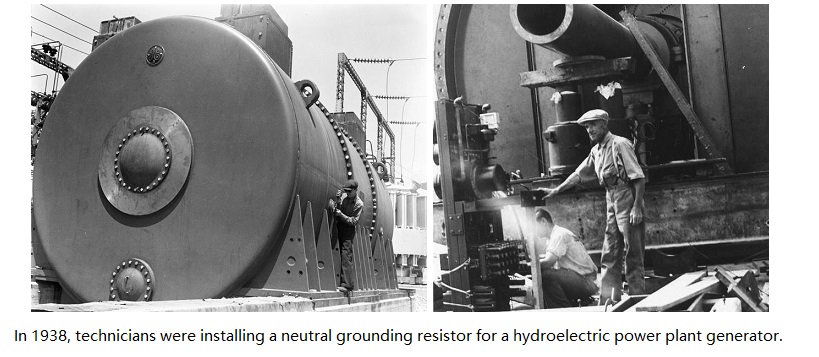
Electric power generators are among the most valuable assets in industrial facilities, power plants, data centers, and renewable energy installations. Protecting these systems from electrical faults is essential to ensure reliability, personnel safety, and uninterrupted operations. One of the most effective protection devices used for this purpose is the Generator Neutral Grounding Resistor (GNGR).
A Generator Neutral Grounding Resistor limits fault current during a ground fault, reducing equipment damage while allowing protective relays to detect and isolate the fault quickly. Without proper neutral grounding, even a single ground fault can lead to catastrophic generator failures, costly downtime, and significant repair expenses.
At Orion Resistors, we design and manufacture high-quality Generator Neutral Grounding Resistors engineered to meet demanding industrial applications while complying with international electrical standards.
What is a Generator Neutral Grounding Resistor?
A Generator Neutral Grounding Resistor (GNGR) is a specially designed resistor connected between the neutral point of a generator and earth (ground). Its primary function is to limit the magnitude of ground fault current to a safe and predetermined value.
Instead of allowing excessive current to flow during an earth fault, the resistor restricts the current, minimizing mechanical stress, thermal damage, and arc flash hazards.
This controlled fault current enables protective relays to detect the fault accurately while preventing severe damage to the generator winding insulation.
Why Generator Neutral Grounding Matters
Modern generators operate under high electrical stress. Even a minor insulation failure can create a ground fault that escalates rapidly if left uncontrolled.
Proper neutral grounding helps:
- Limit earth fault current
- Protect generator windings
- Reduce arc flash energy
- Prevent equipment damage
- Improve personnel safety
- Enable accurate relay coordination
- Increase overall system reliability
Without a Generator Neutral Grounding Resistor, fault currents may become high enough to damage expensive generator components within milliseconds.
How Does a Generator Neutral Grounding Resistor Work?
Under normal operating conditions, almost no current flows through the grounding resistor.
When an insulation failure causes a phase conductor to contact ground:
- Fault current attempts to flow through the neutral.
- The grounding resistor limits the current to a safe value.
- Protection relays detect the fault.
- Circuit breakers isolate the faulty circuit.
- Generator damage is minimized.
The resistor acts as a controlled current-limiting device rather than allowing unrestricted fault current.
Major Components of a Generator Neutral Grounding Resistor
A typical GNGR assembly includes:
| Component | Function |
| Stainless Steel Resistor Elements | Dissipate fault energy safely |
| Outdoor or Indoor Enclosure | Protects internal components |
| Neutral Terminal | Connects generator neutral |
| Ground Terminal | Connects to earth system |
| Current Transformer (Optional) | Supports protection relays |
| Temperature Monitoring | Prevents overheating |
| Insulators | Maintain electrical isolation |
Premium manufacturers such as Orion Resistors use corrosion-resistant materials to ensure long service life even in harsh industrial environments.
Types of Generator Neutral Grounding
| Grounding Method | Fault Current | Typical Application |
| Solid Grounding | Very High | Low-voltage systems |
| Resistance Grounding | Controlled | Industrial generators |
| Reactance Grounding | Moderate | Large utility systems |
| Ungrounded System | Minimal initially | Limited industrial use |
Among these methods, resistance grounding offers the best balance between protection and operational continuity.
Advantages of Generator Neutral Grounding Resistors
Enhanced Equipment Protection
By limiting ground fault current, the resistor prevents severe thermal and mechanical damage to generator windings.
Improved Personnel Safety
Lower fault current significantly reduces arc flash hazards, creating a safer working environment.
Reduced Downtime
Controlled faults are easier to isolate, allowing maintenance teams to restore operations quickly.
Better Relay Performance
Ground fault relays operate more accurately when fault current remains within predictable limits.
Lower Maintenance Costs
Preventing major generator failures reduces repair costs and extends equipment life.
Practical Example
Consider a manufacturing plant operating a 5 MVA generator.
Without a grounding resistor:
- Ground fault current exceeds 6,000 A.
- Generator winding insulation is severely damaged.
- Production stops for several days.
- Repair costs exceed hundreds of thousands of dollars.
With a properly sized Generator Neutral Grounding Resistor:
- Fault current is limited to approximately 100 A.
- Protection relay trips instantly.
- Damage remains minimal.
- Generator returns to service after inspection.
This example demonstrates why resistance grounding is widely adopted in modern industrial facilities.
Applications of Generator Neutral Grounding Resistors
Generator Neutral Grounding Resistors are widely used in:
- Thermal power plants
- Hydroelectric stations
- Gas turbine generators
- Diesel generator systems
- Renewable energy facilities
- Data centers
- Oil and gas installations
- Mining operations
- Manufacturing plants
- Chemical processing industries
Any installation relying on continuous power generation benefits from effective neutral grounding.
How to Select the Right Generator Neutral Grounding Resistor
Choosing the correct GNGR requires careful engineering analysis.
Key factors include:
Generator Voltage
The resistor must match the generator’s rated voltage.
Ground Fault Current Rating
Common values include:
- 5 A
- 10 A
- 25 A
- 50 A
- 100 A
- 200 A
- 400 A
Fault Duration
Typical ratings include:
- 10 seconds
- 30 seconds
- 60 seconds
- Continuous duty
Environmental Conditions
Consider:
- Indoor or outdoor installation
- Ambient temperature
- Humidity
- Corrosive environments
- Altitude
Compliance Standards
Ensure compliance with relevant standards such as IEEE, IEC, and applicable utility specifications.
Working with an experienced manufacturer like Orion Resistors helps ensure the resistor is correctly engineered for your generator and protection scheme.
Maintenance Best Practices
Routine inspection improves reliability and extends equipment life.
Recommended maintenance includes:
- Visual inspection of resistor elements
- Check electrical connections
- Inspect enclosure seals
- Verify insulation resistance
- Clean accumulated dust
- Test protection relays
- Measure resistor resistance values
- Replace damaged components promptly
Preventive maintenance minimizes unexpected failures and ensures continued protection.
Why Choose Orion Resistors?
Selecting a trusted manufacturer is just as important as choosing the right resistor.
Orion Resistors offers:
- Custom-engineered Generator Neutral Grounding Resistors
- High-quality stainless steel resistor elements
- Robust indoor and outdoor enclosures
- Reliable thermal performance
- Compliance with international standards
- Experienced engineering support
- Rigorous quality testing
- Solutions tailored to industrial and utility applications
Our commitment to quality, safety, and performance helps customers protect critical power generation assets with confidence.
Frequently Asked Questions
What is the purpose of a Generator Neutral Grounding Resistor?
It limits ground fault current, protecting the generator from electrical damage while enabling protective relays to detect and isolate faults effectively.
How is a Generator Neutral Grounding Resistor different from transformer grounding resistors?
A Generator Neutral Grounding Resistor is specifically designed for generator neutral protection, whereas transformer grounding resistors protect transformer neutral points. Each is engineered to suit the characteristics of the equipment it safeguards.
Can a generator operate without a grounding resistor?
While some systems may operate using other grounding methods, many industrial generators require resistance grounding to improve safety, protect equipment, and comply with engineering best practices.
How long does a Generator Neutral Grounding Resistor last?
With proper installation and regular maintenance, a high-quality resistor can provide reliable service for many years, even in demanding industrial environments.
How do I choose the correct resistor rating?
The correct rating depends on generator voltage, desired fault current, fault duration, protection coordination, and site conditions. A detailed engineering assessment is recommended.
Conclusion
A Generator Neutral Grounding Resistor is a critical component in modern electrical power systems. By limiting ground fault current, it protects valuable generators, enhances personnel safety, improves system reliability, and reduces maintenance costs.
Whether your application involves power generation, manufacturing, utilities, or renewable energy, investing in a properly designed grounding resistor is essential for long-term operational success.
At Orion Resistors, we combine engineering expertise, quality manufacturing, and industry experience to deliver dependable Generator Neutral Grounding Resistor solutions that meet the highest standards of performance and reliability.
Contact Number – +86-312-5959618
Email ID – info@orionresistors.com
Official Website – https://www.orionresistors.com