
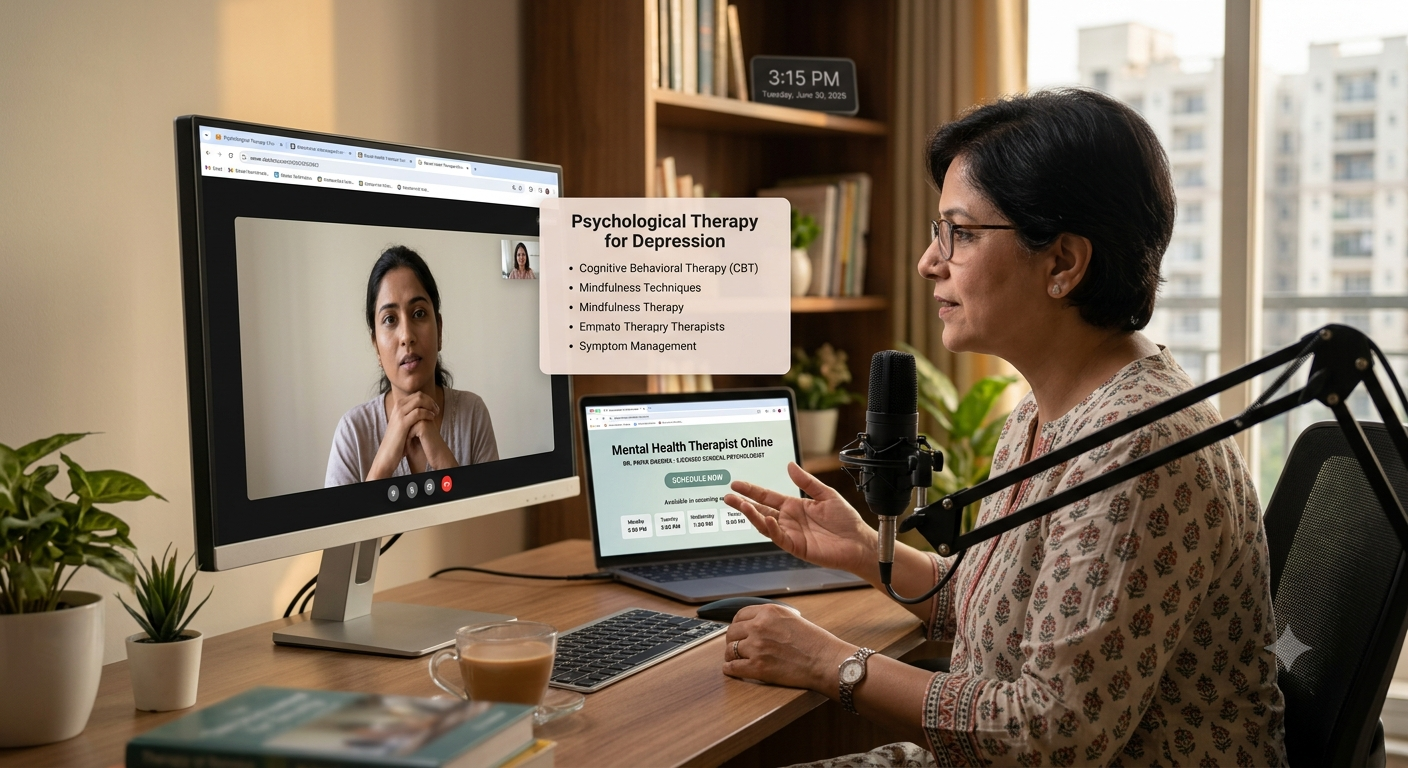
Depression can affect nearly every part of daily life, from energy and sleep to relationships, work, concentration, and self-confidence. Yet many people delay seeking support because of stigma, limited access to local professionals, busy schedules, or discomfort with traditional therapy settings. As awareness of emotional well-being continues to grow, Psychological Therapy for Depression and online counseling are becoming increasingly important options for people seeking professional mental health support.
At the same time, the growing availability of a Mental Health Therapist Online is making therapy more accessible to individuals who may otherwise struggle to attend in-person appointments. Through secure video sessions, phone consultations, and other digital communication methods, people can connect with qualified professionals from a familiar environment.
Understanding Depression and Its Impact
Depression is more than temporary sadness or a difficult day. It can involve persistent changes in mood, motivation, thinking, sleep, appetite, and daily functioning. Symptoms may vary from person to person, and some individuals may experience depression alongside anxiety, stress, grief, or other emotional challenges.
Common signs can include:
- Persistent sadness or low mood
- Loss of interest in previously enjoyable activities
- Low energy and constant fatigue
- Difficulty concentrating or making decisions
- Changes in sleep or appetite
- Feelings of guilt, hopelessness, or worthlessness
- Social withdrawal and reduced motivation
Recognizing these signs is an important first step. Professional assessment can help determine whether symptoms may be associated with depression and what form of support could be appropriate.
How Psychological Therapy for Depression Can Help
Psychological Therapy for Depression focuses on helping individuals understand emotional patterns, identify unhelpful thoughts, develop healthier coping strategies, and gradually improve daily functioning. Therapy does not offer a one-size-fits-all solution. The approach depends on the individual’s circumstances, symptoms, preferences, and goals.
Evidence-Based Approaches to Therapy
Different therapeutic methods may be used depending on a person’s needs.
Cognitive Behavioral Therapy (CBT) helps individuals recognize connections between thoughts, emotions, and behaviors. It can support people in challenging unhelpful thinking patterns and developing practical strategies for everyday situations.
Interpersonal Therapy (IPT) focuses on relationships, communication, grief, and life changes that may contribute to emotional distress.
Behavioral Activation encourages individuals to gradually reconnect with meaningful and rewarding activities, particularly when depression has reduced motivation.
Supportive Therapy provides a safe environment where people can discuss concerns, emotions, and challenges while developing healthier ways to manage them.
A qualified mental health professional can help determine which approach may be suitable based on an individual’s circumstances.
What Can Therapy Address?
Professional therapy may help people work through:
- Negative thinking patterns
- Relationship difficulties
- Work-related stress
- Life transitions
- Grief and loss
- Low self-esteem
- Emotional exhaustion
- Anxiety occurring alongside depression
- Difficulty managing everyday responsibilities
The goal is not simply to talk about problems but to build understanding, resilience, self-awareness, and practical coping skills.
The Growing Role of a Mental Health Therapist Online
The rise of digital healthcare has changed how people access professional support. A Mental Health Therapist Online can provide therapy through secure digital platforms, allowing clients to participate in sessions without traveling to a clinic.
This option can be especially useful for people living in areas with limited access to mental health professionals or those with demanding work and family schedules.
| Traditional In-Person Therapy | Online Mental Health Therapy |
| Requires travel to a clinic | Sessions can take place remotely |
| Fixed location | Access from a private, suitable environment |
| May involve longer waiting times locally | Can expand access to available professionals |
| Face-to-face communication | Video, phone, or approved digital sessions |
| Suitable for those who prefer physical appointments | Convenient for those comfortable with remote care |
Both formats can be valuable. The right choice depends on personal preference, clinical needs, technology access, privacy, and the therapist’s professional recommendations.
Choosing the Right Online Therapist
Finding the right professional is an important part of the therapy journey. Before starting sessions, individuals should consider the therapist’s qualifications, experience, therapeutic approach, and communication style.
Key Factors to Consider
- Professional credentials: Check relevant qualifications, licensing, or registration where applicable.
- Experience: Look for experience with depression or the specific concerns you want to address.
- Therapy approach: Ask which evidence-based methods the therapist commonly uses.
- Online setup: Confirm that sessions are conducted through a secure and appropriate platform.
- Privacy: Choose a setting where confidentiality and data protection are taken seriously.
- Personal comfort: A strong therapeutic relationship can make communication easier and more productive.
A good therapist should also explain the therapy process, boundaries, confidentiality, and what to expect from sessions.
Making Online Therapy More Effective
Remote therapy can be productive when clients create the right conditions for sessions. Finding a quiet and private space, using a reliable internet connection, and setting aside uninterrupted time can help maintain focus.
Between sessions, individuals may also benefit from practicing techniques discussed with their therapist. These might include journaling, identifying thought patterns, maintaining routines, or gradually returning to meaningful activities.
However, therapy should be personalized. Strategies that work for one person may not work for another, which is why professional guidance remains important.
When Professional Help Should Be Considered
People do not need to wait until symptoms become overwhelming before seeking support. Speaking with a mental health professional can be helpful when low mood persists, daily responsibilities become difficult, or emotional distress begins affecting relationships and quality of life.
If someone experiences thoughts of self-harm or suicide, immediate professional or emergency support should be sought rather than relying solely on routine online therapy appointments.
Frequently Asked Questions
1. What is Psychological Therapy for Depression?
It is professional psychological treatment designed to help people understand and manage depressive symptoms through therapeutic techniques, emotional support, and practical coping strategies.
2. Can online therapy help with depression?
Online therapy can be a useful option for many people experiencing depression, particularly when delivered by a qualified professional using an appropriate therapeutic approach.
3. How does a Mental Health Therapist Online work?
An online therapist typically provides sessions through secure video, phone, or other approved digital communication platforms.
4. Is online therapy as effective as in-person therapy?
For many people and conditions, online therapy can be effective, although suitability depends on individual circumstances, clinical needs, therapist expertise, and personal preference.
5. How often should therapy sessions happen?
Frequency varies. Some people may attend weekly sessions, while others may require a different schedule based on their needs and treatment plan.
6. How long does depression therapy take?
There is no universal timeline. Progress can depend on symptom severity, personal circumstances, therapy type, goals, and consistency.
7. Can therapy be combined with medication?
In some cases, psychotherapy and medication may be used together. Treatment decisions should be discussed with qualified healthcare professionals.
8. What should I discuss during my first therapy session?
You can discuss your current concerns, symptoms, personal circumstances, goals, and what you hope to achieve through therapy.
9. How do I choose an online therapist?
Consider professional credentials, experience, therapy methods, privacy practices, availability, and whether you feel comfortable communicating with the professional.
10. Is online therapy private?
Reputable providers should use appropriate privacy and security measures. Clients should also choose a private location and review the provider’s confidentiality policies.
https://newsgrow.blogspot.com/2026/06/psychological-therapy-for-depression.html