The jewelry packaging industry is witnessing a shift as brands increasingly treat packaging as an important part of product presentation rather than simply a protective covering. Growing interest in custom jewelry packaging and luxury jewelry packaging is encouraging businesses to explore distinctive designs, premium materials, sustainable solutions, and technology-enabled customer experiences.
The development comes as jewelry companies face changing consumer expectations across physical retail and e-commerce channels. For many brands, the package is becoming an extension of the product and an important element of the overall purchasing experience.
Traditional Jewelry Boxes Give Way to Brand-Focused Designs
Jewelry packaging has traditionally been associated with protection. Simple boxes, fabric pouches, wooden cases, and compact containers were designed to keep jewelry secure from scratches, dust, and damage.
Over time, however, the role of packaging expanded.
As jewelry businesses became more brand-oriented, packaging began incorporating logos, colors, distinctive shapes, printed information, and specialized interiors. The box gradually became another way for companies to communicate their identity.
This transition has helped create a growing market for packaging designed specifically around individual jewelry brands.
Custom Packaging Offers Greater Design Flexibility
The demand for custom jewelry packaging is being driven by businesses looking for packaging that reflects their products and brand personality.
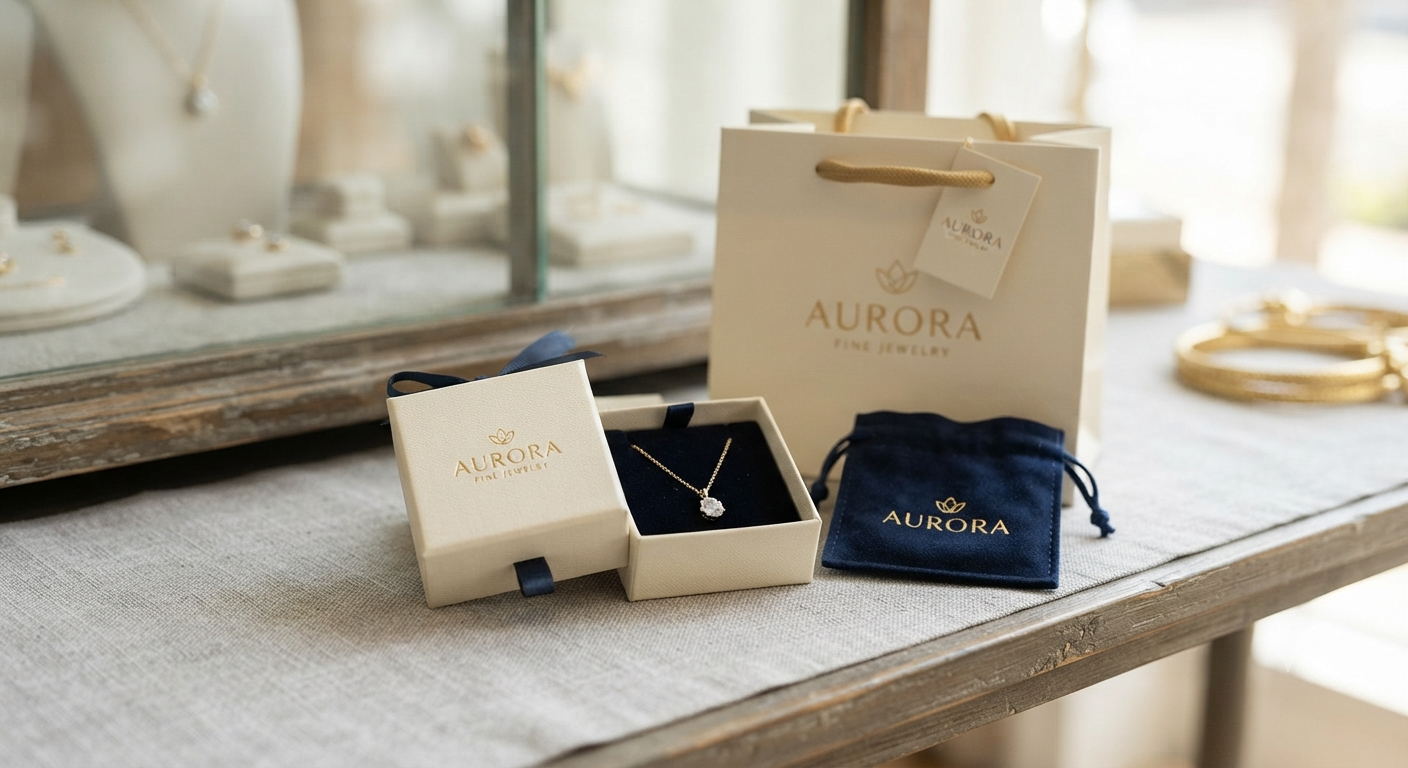
Unlike standard packaging, customized solutions can be developed around the exact dimensions and requirements of jewelry collections. Brands can select materials, colors, printing techniques, inserts, closures, and finishing options.
Among the commonly requested features are:
- Custom-sized jewelry boxes
- Logo and artwork printing
- Velvet and fabric interiors
- Ring and earring inserts
- Necklace compartments
- Magnetic closures
- Embossed branding
- Foil finishing
- Custom pouches
- Personalized messages
The ability to combine these elements allows brands to create packaging that is recognizable and consistent with their wider visual identity.
Luxury Packaging Becomes Part of the Product Experience
At the premium end of the market, luxury jewelry packaging is receiving increased attention.
Luxury packaging is designed to communicate quality before the jewelry is even revealed. Material texture, box construction, interior presentation, opening mechanisms, and finishing details can all influence the customer’s perception.
Premium packaging may use rigid structures, specialty papers, soft interiors, precision-cut inserts, magnetic closures, embossing, debossing, and carefully selected metallic details.
However, luxury packaging is increasingly moving toward understated design. Instead of relying on excessive decoration, brands can create a premium impression through material quality, craftsmanship, proportion, and subtle branding.
E-Commerce Gives Packaging a Bigger Role
The expansion of online jewelry shopping is changing how customers interact with packaging.
In a physical jewelry store, customers experience the product through displays, lighting, staff interaction, and the store environment. Online customers receive their first physical brand experience when the order arrives.
This has increased the importance of packaging that combines protection with attractive presentation.
A carefully designed package can also contribute to digital visibility. Customers may share photographs, videos, and unboxing experiences on social media, providing brands with additional opportunities for organic exposure.
For online jewelry businesses, packaging is therefore becoming part of the wider customer journey.
Sustainability Emerges as a Major Industry Priority
Environmental considerations are also influencing packaging decisions.
Jewelry companies are increasingly examining whether packaging can use fewer materials, reduce plastic, and offer better end-of-life options.
Recycled paperboard, recyclable papers, biodegradable components, reusable boxes, and responsibly sourced materials are attracting attention.
For luxury brands, the challenge is maintaining a premium appearance while reducing environmental impact.
Reusable packaging is emerging as one potential solution. A high-quality jewelry box can be designed to remain useful as a jewelry organizer, travel case, or storage container long after the original purchase.
Smart Packaging Could Connect Physical and Digital Experiences
Technology is expected to play a growing role in future jewelry packaging.
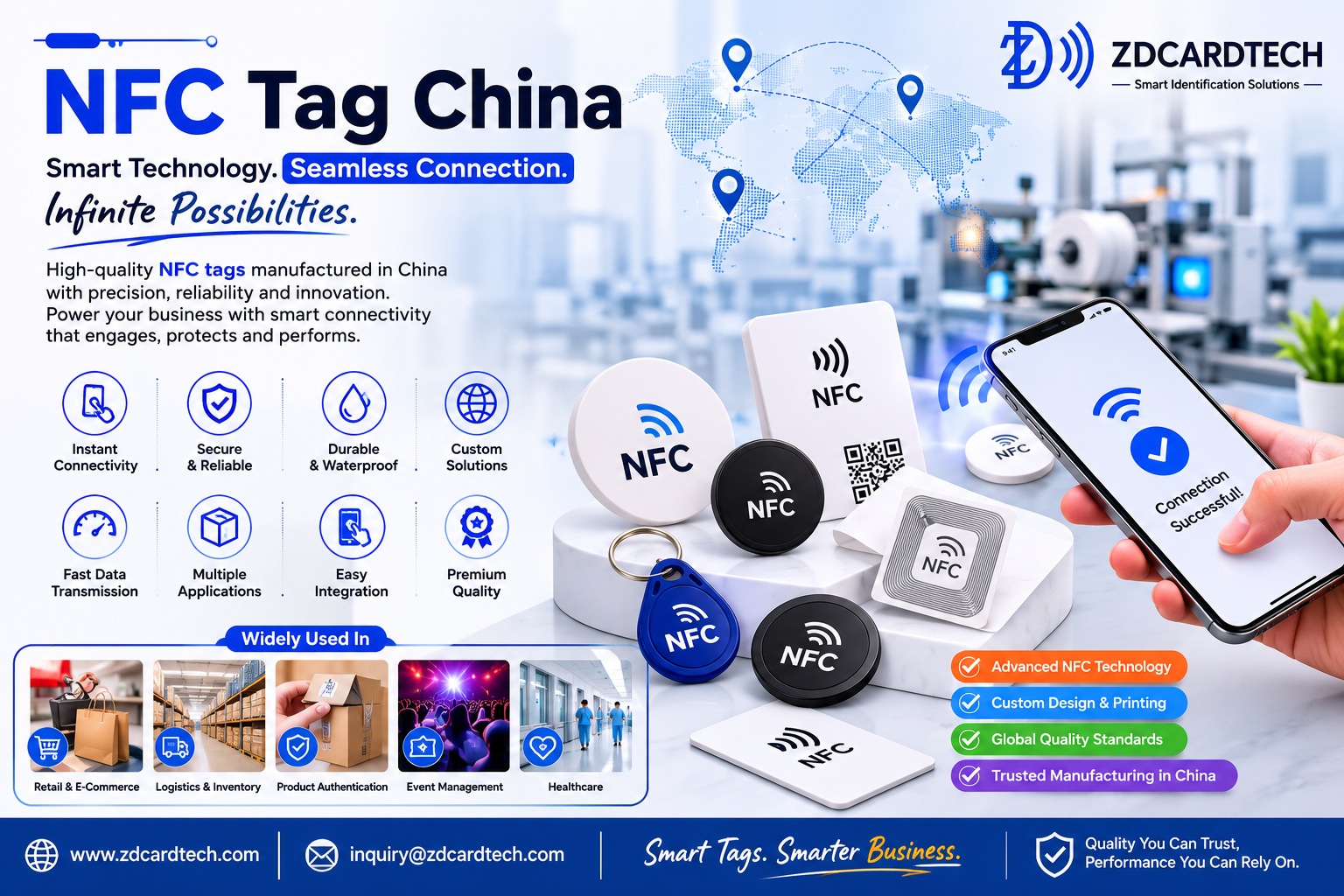
QR codes and NFC-enabled packaging can give customers access to digital information without requiring major changes to the physical design.
Potential applications include:
- Product authentication
- Warranty registration
- Jewelry care information
- Product specifications
- Collection stories
- Brand information
- Customer support
For premium jewelry, authentication features could be particularly useful in strengthening consumer confidence.
The combination of physical packaging and digital information could transform the traditional jewelry box into an interactive brand touchpoint.
Personalization Expected to Shape Future Packaging
Another important direction is greater personalization.
Jewelry companies may increasingly develop packaging for particular customer occasions and collections. Wedding jewelry, anniversary gifts, festive collections, limited editions, and special campaigns can all benefit from tailored packaging.
Personalized messages and customized inserts can further strengthen the emotional connection between a brand and its customers.
As digital manufacturing and flexible production technologies continue to develop, customized packaging may become increasingly accessible to businesses of different sizes.
Luxury Packaging Moves Toward Sustainable Elegance
The future of luxury jewelry packaging is expected to combine exclusivity with responsible design.
Luxury brands will continue to focus on high-quality presentation, but sustainability is likely to become an increasingly important part of the design process.
Future packaging may prioritize:
- Reusable construction
- Recyclable materials
- Reduced material consumption
- Premium sustainable papers
- Minimalist designs
- Long-lasting storage functionality
- Digital product information
This approach could redefine the meaning of luxury by connecting premium craftsmanship with environmental responsibility.
Industry Outlook
The changing jewelry packaging landscape can be divided into four broad stages:
| Stage | Primary Objective | Packaging Characteristics |
| Traditional | Product protection | Simple boxes and pouches |
| Brand Development | Recognition | Logos, colors and printed packaging |
| Modern Market | Customer experience | Custom structures and premium finishes |
| Future Market | Innovation | Sustainable, reusable and connected designs |
The transition suggests that packaging will continue to play a larger role in how jewelry brands communicate with customers.
Frequently Asked Questions
What is custom jewelry packaging?
Custom jewelry packaging is packaging developed specifically for a jewelry brand, product, collection, or customer experience.
How does luxury jewelry packaging differ?
Luxury packaging places greater emphasis on premium materials, sophisticated construction, refined details, and exclusive presentation.
Why is customized packaging important?
It allows brands to differentiate their products and create a consistent visual identity across their customer experience.
Can jewelry packaging be made for different product sizes?
Yes. Custom packaging can accommodate rings, earrings, necklaces, bracelets, watches, and other jewelry products.
Is sustainable packaging suitable for expensive jewelry?
Yes. Sustainable materials can be combined with premium construction and elegant finishing.
Can packaging improve customer experience?
A well-designed package can make opening, gifting, storing, and receiving jewelry more enjoyable.
What is driving the demand for premium packaging?
Brand competition, e-commerce growth, gifting trends, social media, and increasing consumer expectations are contributing to demand.
Can packaging include digital features?
Yes. QR codes, NFC technology, digital certificates, and authentication features can be incorporated.
Will jewelry packaging become reusable?
Reusable designs are expected to gain greater attention as businesses look for ways to reduce waste and provide additional customer value.
What will future jewelry packaging focus on?
Future solutions are likely to combine personalization, premium presentation, sustainability, protection, efficient design, and digital connectivity.