The way people move through modern buildings is changing rapidly. As urban development reaches new heights and architects explore more innovative building concepts, elevators are evolving from simple transportation equipment into essential elements of modern architecture.
The latest generation of passenger elevator and glass lift solutions is helping developers create buildings that combine accessibility, convenience, safety, and visual appeal. From high-rise residential towers to luxury hotels and commercial destinations, advanced elevator technology is becoming an important part of the modern building experience.
With limited land availability and increasing vertical construction, efficient movement between floors is no longer optional. It is a fundamental requirement for buildings designed for today’s fast-moving world.
Elevators Move From Functionality to Experience
For many years, elevators were designed primarily to perform one task: transport passengers between floors. Today, expectations have changed.
Building owners and architects are looking for elevator solutions that offer smooth operation while complementing the design and character of the property.
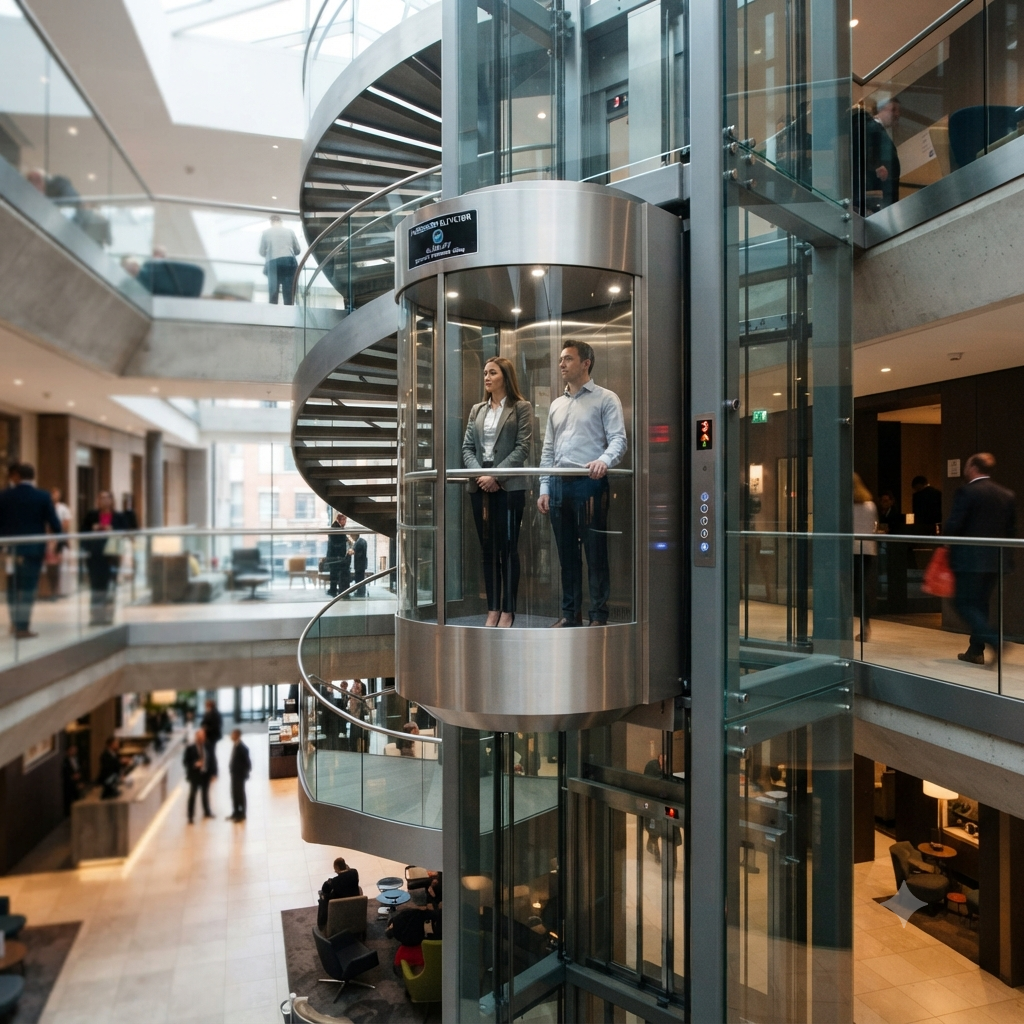
A modern passenger elevator can now incorporate advanced technology, intelligent controls, energy-efficient systems, and customized interiors. At the same time, a glass lift can transform the elevator into an eye-catching architectural feature.
This evolution reflects a broader change in construction and design, where technology and aesthetics are increasingly working together.
Passenger Elevators Support the Growth of Vertical Cities
As cities become more densely populated, multi-story construction is becoming increasingly common. Residential towers, corporate offices, shopping centers, hospitals, and hotels all depend on efficient vertical transportation.
A reliable passenger elevator helps people move quickly and comfortably between floors while improving accessibility throughout the building.
Modern systems may include:
- Automatic door technology
- Precision floor leveling
- Overload protection
- Emergency communication
- Safety sensors
- Backup power
- Automatic rescue systems
- Intelligent destination control
- Energy-efficient drive systems
- Digital monitoring technology
These features are designed to support a smoother passenger experience while helping building operators maintain reliable elevator performance.
Glass Lifts Turn Vertical Transportation Into Architecture
One of the most visible developments in modern elevator design is the growing popularity of the glass lift.
Unlike conventional enclosed elevators, glass elevators allow passengers to experience greater visual openness while traveling between floors. Depending on the building design, passengers may be able to see an atrium, landscaped area, interior spaces, or surrounding views.
This makes the glass lift particularly attractive for visually focused developments such as:
- Luxury hotels
- Premium apartments
- Shopping malls
- Corporate headquarters
- Resorts
- Restaurants
- Museums
- Airports
- Exhibition centers
- Entertainment complexes
In these environments, the elevator can become more than a transportation system. It can become part of the building’s identity.
A New Standard for Premium Buildings
Modern consumers increasingly value experiences. This trend is influencing how developers approach the design of commercial and residential properties.
A conventional passenger elevator provides essential functionality, while a stylish glass lift can add a sense of luxury and sophistication.
For premium properties, details such as elevator interiors, lighting, finishes, and cabin design can influence the overall impression of visitors and occupants.
A well-designed elevator can contribute to:
- A stronger first impression
- Improved accessibility
- Greater visual appeal
- Enhanced property identity
- Better passenger comfort
- More efficient movement
This combination of functionality and design is helping elevators become an increasingly important consideration during the early stages of building planning.
The Right Elevator Depends on the Right Application
Not every building requires the same elevator solution.
A residential apartment tower may prioritize passenger capacity, reliability, and energy efficiency. A busy corporate building may need intelligent traffic management to handle peak-hour demand. A luxury hotel may place greater emphasis on interior design and guest experience.
In projects where architectural appearance is a major consideration, a glass lift can provide an attractive solution that combines passenger transportation with visual impact.
The selection process should consider:
Passenger demand: The expected number of users and traffic patterns.
Building height: Travel distance and number of floors.
Available space: Shaft dimensions and structural requirements.
Speed and capacity: The required performance for the building.
Design objectives: Traditional, contemporary, luxury, or panoramic aesthetics.
Safety: Appropriate safety features, engineering, and compliance.
Maintenance: Long-term service availability and technical support.
Safety Remains at the Heart of Elevator Innovation
While design and technology are transforming the elevator industry, safety remains the most important factor.
Every modern passenger elevator should be professionally designed and installed with appropriate safety systems. Depending on the configuration, these may include emergency brakes, door interlocks, overload sensors, emergency alarms, safety sensors, backup power, and automatic rescue technology.
For a glass lift, engineering precision is equally important. The glass, supporting structures, doors, and other components must be appropriately designed and installed to deliver dependable performance.
Regular inspections and preventive maintenance also play an essential role in maintaining elevator safety and reliability throughout the system’s operational life.
Smart Elevators Are Shaping the Next Generation
The future of vertical mobility is increasingly connected.
Smart passenger elevator systems are being developed with technologies that can monitor usage, optimize passenger flow, and provide real-time information about system performance.
Emerging innovations include:
- Touchless elevator controls
- Mobile-based access
- Destination dispatch systems
- Remote monitoring
- Predictive maintenance
- AI-assisted traffic management
- Smart building connectivity
- Energy-saving technologies
These innovations are helping create elevator systems that are more responsive to the needs of modern buildings.
In the future, elevators are expected to communicate more closely with other building systems, creating a more integrated and intelligent environment.
Glass Lift Trends Continue to Gain Momentum
The growing focus on open spaces, natural light, and visual connectivity is creating new opportunities for the glass lift.
In large atriums and modern commercial buildings, glass elevators can provide a sense of movement and energy. In luxury developments, they can add an exclusive visual element. In retail environments, they can become part of the customer’s overall experience.
The result is an elevator that does more than move people—it contributes to the atmosphere and personality of the space.
Selecting an Experienced Elevator Partner
Investing in an elevator is a long-term decision, making the choice of manufacturer and installation partner particularly important.
Before selecting an elevator provider, developers should consider:
- Industry experience
- Engineering expertise
- Product quality
- Custom design capabilities
- Installation standards
- Safety practices
- Preventive maintenance
- Spare parts availability
- Technical support
- After-sales service
A dependable elevator partner should be able to support the complete project lifecycle, from initial consultation and design to installation, testing, maintenance, and modernization.
Vertical Mobility Enters a New Era
The elevator industry is entering an exciting phase where technology and architecture are becoming increasingly interconnected.
The passenger elevator continues to serve as an essential solution for safe and efficient movement, while the glass lift is redefining how people experience vertical transportation.
As cities grow taller and buildings become more intelligent, elevators will play an even greater role in shaping modern infrastructure. Future systems will likely focus on improved energy efficiency, smart connectivity, enhanced safety, and personalized passenger experiences.
For architects, developers, and property owners, the message is clear: the elevator is no longer something to simply add to a building plan. It is becoming a strategic part of the building’s functionality, identity, and user experience.
With the continued development of advanced passenger elevator technology and innovative glass lift designs, the future of vertical mobility is moving toward a new generation of buildings—buildings that are smarter, safer, more accessible, and designed to leave a lasting impression.
https://shopnets.com/why-a-dumbwaiter-lift-could-be-the-missing-piece-in-your-multi-storey-building/
https://newsgrow.blogspot.com/2026/07/dumbwaiter-lift-vs-passenger-lift-small.html
https://newsgrow.blogspot.com/2026/07/passenger-elevator-and-glass-lift.html
https://blogstream.net/passenger-elevator-and-glass-lift-where-technology-meets-modern-architecture/