Retinal diseases can progress silently, and by the time noticeable vision changes occur, significant damage may already have developed. Retinal laser treatment is an established ophthalmic procedure used to manage selected retinal conditions and reduce the risk of serious vision loss. Depending on the diagnosis, laser photocoagulation may be used to seal abnormal blood vessels, reduce retinal leakage, treat certain retinal tears, or limit the progression of diabetic eye disease. It is important to understand that retinal laser treatment is not a single procedure for every retinal problem. The technique, treatment area, number of laser spots, and expected outcome depend on the patient’s retinal condition and the findings of a detailed eye examination.
What Is Retinal Laser Treatment?
Retinal laser treatment, also called retinal laser photocoagulation, uses precisely controlled light energy to create therapeutic changes in targeted areas of the retina. Unlike laser procedures designed to correct glasses power, retinal laser is directed at the back of the eye to manage specific retinal abnormalities. It may be recommended for conditions such as proliferative diabetic retinopathy, selected cases of diabetic macular edema, retinal tears or breaks, and certain retinal vascular disorders.
The main objective is often to prevent further damage rather than restore vision that has already been lost. For example, in proliferative diabetic retinopathy, panretinal photocoagulation can reduce abnormal blood-vessel growth and lower the risk of severe complications.
When Is Retinal Laser Treatment Recommended?
A retina specialist may recommend laser treatment after examining the retina using appropriate diagnostic tests. Common situations include:
- Proliferative diabetic retinopathy with high-risk abnormal blood-vessel growth
- Selected forms of severe diabetic retinopathy
- Certain retinal tears or breaks that could progress toward retinal detachment
- Specific cases of retinal vascular disease
- Selected retinal leakage or macular conditions where laser is clinically appropriate
- The treatment decision should be individualized because newer options, including anti-VEGF injections, may be preferred for some forms of diabetic macular edema and can also be an alternative to panretinal laser in selected cases of proliferative diabetic retinopathy.
Retinal Laser for Diabetic Retinopathy
Diabetes can damage the tiny blood vessels supplying the retina. In advanced diabetic retinopathy, abnormal new vessels may develop. These fragile vessels can bleed and contribute to scarring or traction on the retina. Panretinal photocoagulation, commonly called PRP, treats areas of the peripheral retina to reduce the stimulus for abnormal blood-vessel growth.
For high-risk proliferative diabetic retinopathy, clinical guidelines continue to recognize PRP as an important treatment option. The American Diabetes Association recommends panretinal laser photocoagulation to reduce the risk of vision loss in high-risk proliferative disease, while anti-VEGF therapy may be appropriate for selected patients.
Retinal Laser vs. Other Treatment Options
| TreatmentCommon purposeTypical consideration | ||
| Panretinal laser photocoagulation | Controls abnormal vessel growth in advanced diabetic retinopathy | Established option for high-risk proliferative disease |
| Focal/grid laser | Targets selected leaking retinal areas | Used selectively for certain macular conditions |
| Anti-VEGF injections | Reduce abnormal blood-vessel activity and retinal swelling | Frequently used for diabetic macular edema and selected PDR |
| Vitreoretinal surgery | Addresses advanced bleeding, scarring or traction | Considered when disease is too advanced for laser alone |
| The appropriate treatment depends on retinal imaging, disease severity, visual acuity, previous treatment and overall eye health. |
How Does Retinal Laser Treatment Work?
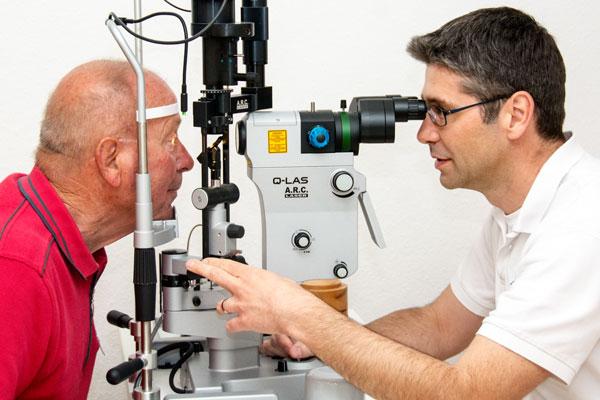
Before treatment, the ophthalmologist examines the retina and determines which areas require laser. Dilating drops are commonly used, followed by anesthetic eye drops. A specialized contact lens may be placed gently on the eye to help focus the laser accurately. The ophthalmologist then delivers a series of brief laser applications to the selected retinal areas.
The procedure is generally performed as an outpatient treatment. The duration can vary depending on the condition and the extent of laser required. Extensive treatment, particularly PRP, may be divided into multiple sessions.
What Happens During the Procedure?
- The patient’s vision and eye condition are assessed.
- Dilating and numbing drops are administered.
- A special contact lens may be used to stabilize and focus the laser.
- Controlled laser pulses are applied to the required retinal areas.
- The ophthalmologist checks the treated retina and provides aftercare instructions.
- Some patients experience bright flashes, pressure or mild discomfort. Extensive treatment may cause more noticeable discomfort, and the doctor can adjust the approach where appropriate.
What Can You Expect After Retinal Laser?
Temporary blurred vision, glare or sensitivity to bright light can occur after treatment. Vision commonly improves as the effects of dilation and treatment settle, although recovery varies depending on the amount of laser and the underlying retinal disease. Patients should follow their ophthalmologist’s instructions regarding driving and other activities.
Follow-up appointments are particularly important because retinal disease can remain active or recur even after successful treatment. Managing diabetes, blood pressure and other relevant health factors can also help reduce the risk of progression in diabetic retinal disease.
Potential Benefits
- Helps reduce the risk of severe vision loss in appropriate retinal conditions
- Can control abnormal retinal blood-vessel growth
- May prevent certain retinal tears from progressing to retinal detachment
- Can reduce selected forms of retinal leakage
- Provides a targeted treatment approach without conventional eye surgery in many cases
- For retinal tears, laser retinopexy can create a barrier around the affected area and is used to reduce the risk of progression to retinal detachment.
Are There Risks or Side Effects?
Like any medical procedure, retinal laser has potential risks. The likelihood depends on the type and extent of treatment and the condition being treated. Possible effects may include temporary blurred vision, discomfort, reduced night vision or changes in peripheral vision, particularly after extensive PRP. Rarely, treatment can affect central vision.
Patients should promptly contact their eye specialist if they experience sudden or significant deterioration in vision, a large increase in floaters, flashes of light, a curtain-like shadow or other concerning symptoms.
How to Prepare for Retinal Laser Treatment
Good preparation can make the appointment easier and safer.
- Bring details of current medications and previous eye treatments.
- Arrange transportation if your vision is expected to remain blurred after dilation or treatment.
- Follow any instructions provided by your ophthalmologist.
- Tell the doctor about previous laser procedures or eye surgery.
- Ask whether you need one treatment session or a series of appointments.
- Continue appropriate diabetes and blood-pressure management as advised by your healthcare professionals.
Frequently Asked Questions About Retinal Laser Treatment
1. What is retinal laser treatment used for?
It is used for selected retinal disorders, including proliferative diabetic retinopathy, certain retinal tears and some retinal vascular or macular conditions.
2. Is retinal laser treatment painful?
Many patients tolerate the procedure well, although bright flashes, pressure or mild discomfort may occur. Extensive treatment can be more uncomfortable for some people.
3. Can retinal laser restore lost vision?
Retinal laser is generally intended to prevent or reduce further vision loss rather than restore vision that has already been permanently damaged.
4. How long does retinal laser treatment take?
The duration varies according to the condition and treatment area. Some sessions may take around 10–30 minutes, while extensive treatment can require longer or multiple sessions.
5. Can retinal laser prevent retinal detachment?
Laser treatment around a suitable retinal tear or break can reduce the risk of that tear progressing to retinal detachment.
6. Is retinal laser used for diabetic retinopathy?
Yes. Panretinal photocoagulation is an established treatment for high-risk proliferative diabetic retinopathy.
7. Will I need more than one laser session?
Possibly. Extensive retinal disease, especially proliferative diabetic retinopathy, may require treatment over multiple sessions.
8. Can I drive after retinal laser treatment?
Driving should be avoided until your vision has returned adequately and your ophthalmologist confirms that it is safe. Dilating drops and treatment can temporarily blur vision.
9. Is laser the only treatment for diabetic retinal disease?
No. Depending on the diagnosis, treatment may include anti-VEGF injections, laser, steroid therapy or vitreoretinal surgery.
10. How can I protect my eyes after retinal laser treatment?
Attend scheduled follow-ups and maintain good control of blood sugar, blood pressure and other medical factors when relevant. Regular retinal examinations are also important.
11. How quickly should retinal problems be treated?
The urgency depends on the diagnosis. Conditions such as high-risk proliferative diabetic retinopathy or an acute retinal tear may require timely specialist assessment and treatment. NICE recommends prompt initiation of PRP after diagnosis of proliferative diabetic retinopathy when it is indicated.
12. Who should perform retinal laser treatment?
The procedure should be performed by an appropriately trained ophthalmologist or retina specialist who can assess the underlying retinal condition and determine whether laser is suitable.
Conclusion: Protect Your Vision With Timely Retinal Care
Retinal laser treatment remains an important tool in modern retinal care, particularly when the goal is to prevent serious vision loss from conditions such as proliferative diabetic retinopathy or selected retinal tears. However, successful treatment begins with an accurate diagnosis and a personalized treatment plan. A detailed retinal examination helps determine whether laser, injections, surgery, observation or a combination of approaches is most appropriate. If you have diabetes, sudden flashes or floaters, unexplained vision changes, or have been diagnosed with a retinal disorder, do not delay specialist evaluation. For professional retinal assessment and individualized treatment guidance in Dubai, consult RetinaCareDubai and discuss your symptoms and treatment options with an experienced eye-care specialist.