
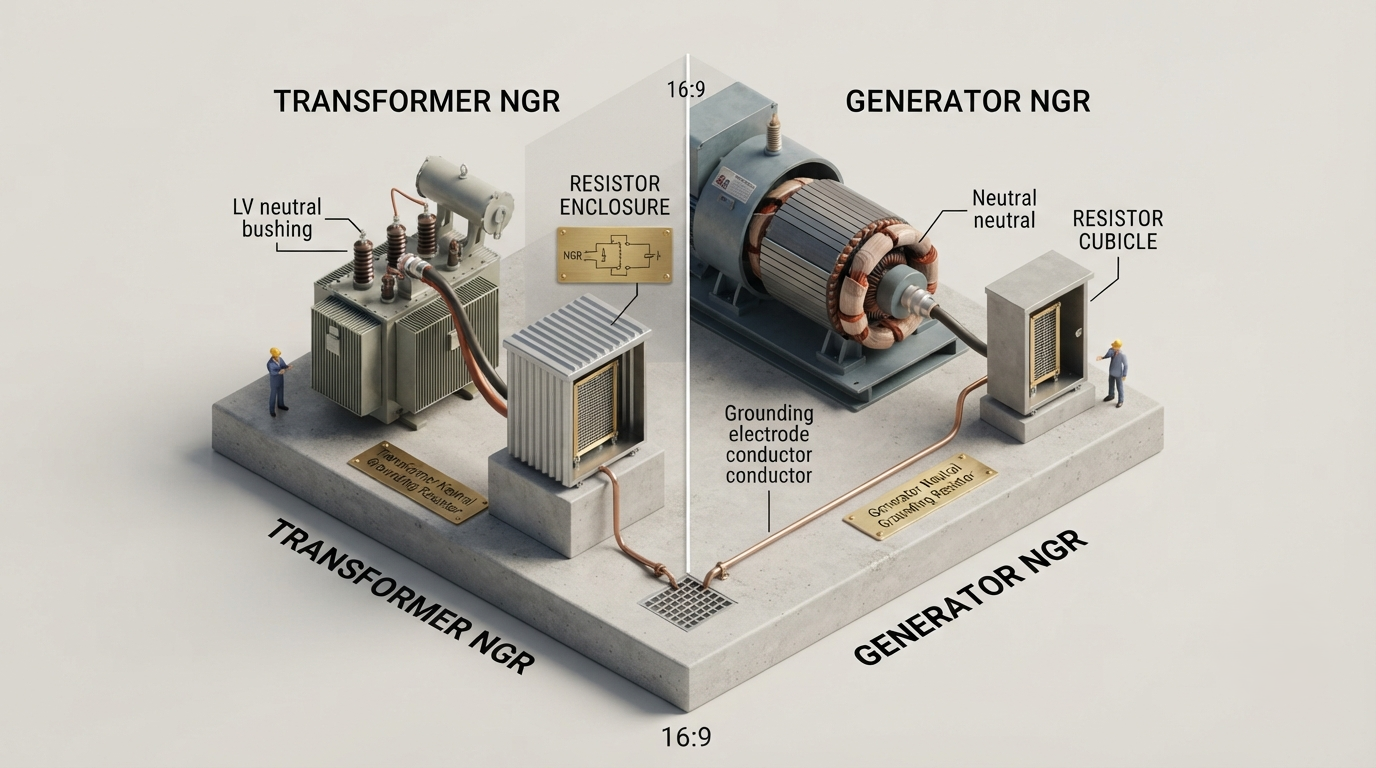
Reliable power systems depend on effective protection strategies that reduce electrical faults and improve equipment safety. Among the most important protective components used in industrial and utility applications are Transformer Neutral Grounding Resistor and Generator Neutral Grounding Resistor systems.
Neutral grounding resistors (NGRs) are designed to control fault current flowing between the neutral point of electrical equipment and the ground. By limiting excessive fault current during a line-to-ground fault, these resistors help prevent equipment damage, reduce fire risks, and improve overall system reliability.
Industries such as power generation, manufacturing plants, data centers, oil and gas facilities, and renewable energy installations widely use neutral grounding solutions to maintain stable electrical operations.
What Is a Neutral Grounding Resistor?
A neutral grounding resistor is an electrical protection device connected between the neutral point of a transformer or generator and the earth. Its primary purpose is to limit the magnitude of ground fault current to a safe level.
Without proper grounding resistance, fault currents can become extremely high, causing:
- Severe equipment damage
- Insulation failure
- Electrical fires
- Generator or transformer winding damage
- Unplanned system shutdowns
A properly selected neutral grounding resistor allows protective relays to detect faults quickly while preventing unnecessary stress on electrical components.
Importance of Transformer Neutral Grounding Resistor
A Transformer Neutral Grounding Resistor plays a critical role in medium-voltage and high-voltage electrical networks. Transformers are responsible for voltage conversion and power distribution, making their protection essential for continuous operation.
When a transformer experiences a ground fault, the neutral grounding resistor controls the fault current and allows protection systems to isolate the problem area.
Key Benefits of Transformer Neutral Grounding Resistor
- Limits ground fault current to a predetermined value
- Protects transformer windings from thermal and mechanical stress
- Improves relay coordination
- Reduces electrical system downtime
- Enhances operator and equipment safety
Transformer NGR systems are commonly installed in industrial substations, utility networks, and large commercial power systems.
How Transformer Neutral Grounding Resistor Works
During normal operation, the neutral grounding resistor does not carry significant current. However, when a ground fault occurs, current flows through the resistor from the transformer neutral point to earth.
The resistor creates controlled resistance in the fault path, reducing the current level while allowing protection devices to identify and clear the fault.
The working process includes:
- Detection of a line-to-ground fault
- Flow of fault current through the neutral grounding resistor
- Activation of protective relays
- Isolation of the affected circuit
- Restoration of safe operating conditions
This controlled approach protects expensive transformer equipment and improves system stability.
Generator Neutral Grounding Resistor: Purpose and Applications
A Generator Neutral Grounding Resistor is specifically designed for protecting electrical generators from ground faults. Generators are highly sensitive machines because excessive fault current can damage stator windings and other internal components.
In power plants and industrial facilities, generator grounding systems are essential for maintaining reliable electricity production.
Advantages of Generator Neutral Grounding Resistor
Generator NGR systems provide several important advantages:
- Protect generator windings from high fault currents
- Reduce damage during insulation failures
- Improve generator protection coordination
- Minimize repair costs
- Increase operational reliability
Power generation facilities often use generator neutral grounding resistors because even a small internal fault can lead to expensive repairs and long equipment downtime.
Difference Between Transformer NGR and Generator NGR
Although both systems perform similar protection functions, their applications and design requirements can vary.
| Feature | Transformer Neutral Grounding Resistor | Generator Neutral Grounding Resistor |
| Primary Application | Transformer protection | Generator protection |
| Main Purpose | Limit transformer ground fault current | Protect generator windings |
| Installation Location | Transformer neutral point | Generator neutral point |
| Common Usage | Distribution and transmission systems | Power plants and industrial generators |
| Protection Focus | Transformer insulation and winding safety | Stator winding and generator reliability |
Selecting the correct NGR depends on system voltage, fault current requirements, equipment ratings, and protection coordination.
Types of Neutral Grounding Resistors
Neutral grounding resistors are generally classified into two main categories:
Low Resistance Grounding (LRG)
Low resistance grounding allows a higher level of fault current but still limits it enough to protect electrical equipment.
Common applications include:
- Medium-voltage industrial systems
- Large motors
- Distribution networks
High Resistance Grounding (HRG)
High resistance grounding limits fault current to a very low level, reducing equipment damage and allowing continuous operation in some systems.
Typical applications include:
- Data centers
- Critical manufacturing facilities
- Healthcare facilities
Factors to Consider When Selecting a Neutral Grounding Resistor
Choosing the correct Transformer Neutral Grounding Resistor or Generator Neutral Grounding Resistor requires careful evaluation.
Important selection factors include:
1. System Voltage
The resistor must match the voltage rating of the electrical system to ensure safe operation.
2. Ground Fault Current Rating
Engineers must determine the maximum allowable fault current based on protection requirements.
3. Duty Cycle
The resistor should withstand the expected fault duration without overheating.
4. Environmental Conditions
Installation environments such as outdoor substations or industrial plants require suitable enclosure protection.
5. Compliance Standards
Quality NGR systems should meet applicable electrical standards and testing requirements.
Applications of Neutral Grounding Resistors
Neutral grounding resistors are used across multiple industries, including:
- Power generation plants
- Renewable energy projects
- Manufacturing facilities
- Mining operations
- Oil and gas industries
- Commercial buildings
- Marine electrical systems
Their ability to control fault currents makes them an essential part of modern electrical protection systems.
Maintenance Tips for Neutral Grounding Resistor Systems
Regular maintenance ensures reliable performance and extends equipment life.
Recommended practices include:
- Inspect resistor elements regularly
- Check insulation condition
- Verify connection tightness
- Test grounding resistance values
- Inspect enclosure conditions
- Monitor temperature performance
Preventive maintenance helps identify potential failures before they cause major electrical problems.
Frequently Asked Questions (FAQ)
1. What is a Transformer Neutral Grounding Resistor?
A Transformer Neutral Grounding Resistor is a protective device connected between a transformer neutral point and ground to limit fault current during electrical faults.
2. Why is a neutral grounding resistor required?
It controls ground fault current, protects electrical equipment, and improves system safety and reliability.
3. What is a Generator Neutral Grounding Resistor?
A Generator Neutral Grounding Resistor protects generators by limiting current during line-to-ground faults and reducing damage to generator windings.
4. What is the difference between transformer NGR and generator NGR?
Transformer NGRs protect transformer systems, while generator NGRs are designed specifically for generator fault protection.
5. How does an NGR reduce electrical damage?
An NGR increases resistance in the fault path, reducing fault current and limiting thermal and mechanical stress.
6. Where are neutral grounding resistors commonly installed?
They are installed in power plants, substations, industrial facilities, and large electrical systems.
7. What happens if a neutral grounding resistor fails?
A failed NGR can prevent proper fault current control and may increase the risk of equipment damage.
8. How often should an NGR be tested?
Testing schedules depend on system requirements, but regular preventive inspections are recommended.
9. Are neutral grounding resistors used in renewable energy systems?
Yes, they are widely used in solar farms, wind power systems, and other renewable energy installations.
10. How do engineers select the right NGR?
Selection depends on voltage rating, fault current level, system design, environmental conditions, and protection requirements.
https://newsgrow.blogspot.com/2026/07/transformer-neutral-grounding-resistor.html