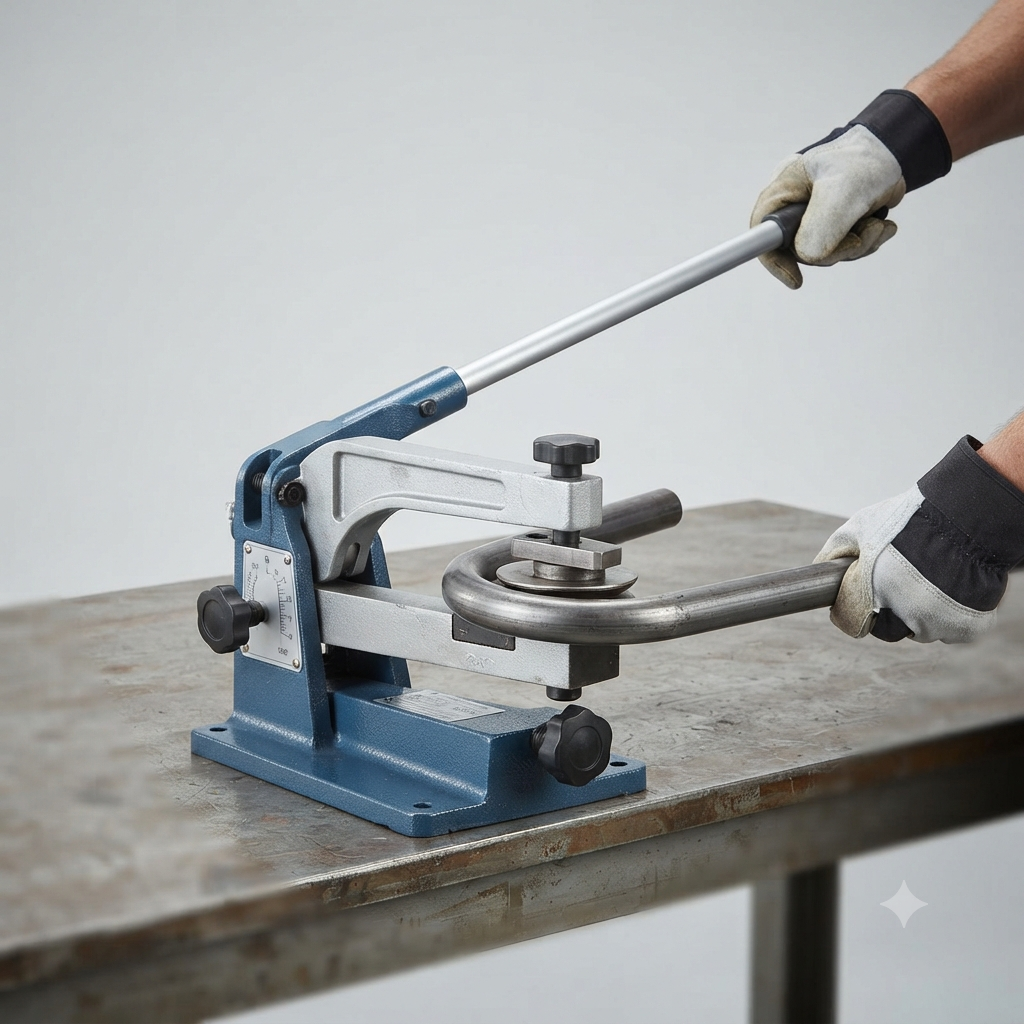
In today’s competitive manufacturing environment, accuracy, speed, and repeatability are essential. The pipe clamp bending machine has become a valuable solution for industries that require precise bending of metal pipes and tubes while maintaining a firm grip during operation. From automotive components to construction frameworks, this machine helps fabricators achieve high-quality bends with minimal material waste.
What Is a Pipe Clamp Bending Machine?
A pipe clamp bending machine is a specialized industrial machine designed to bend pipes or tubes while securely holding them in place using a clamping mechanism. The clamp prevents slippage, deformation, and alignment errors during the bending process, ensuring consistent results across multiple production cycles.
Key Components
- Clamping unit – holds the pipe firmly
- Bending die – shapes the pipe to the desired angle
- Hydraulic or electric drive system – provides bending force
- Control panel – allows operators to set angles and parameters
- Support rollers – reduce stress on the material
Benefits of Using a Pipe Clamp Bending Machine
Higher Precision
The clamping mechanism ensures that the pipe remains aligned throughout the operation, resulting in accurate bend angles and smoother curves.
Reduced Material Waste
Because the pipe is securely held, the chances of wrinkles, flattening, or cracks are significantly reduced, saving both material and production costs.
Faster Production
Modern machines offer automated or semi-automated operation, enabling manufacturers to produce large batches efficiently.
Versatility
These machines can handle:
- Stainless steel pipes
- Mild steel tubes
- Aluminum pipes
- Copper tubing
- Industrial and structural sections
Comparison: Manual vs Hydraulic Pipe Clamp Bending Machine
| Feature | Manual | Hydraulic |
| Bending force | Low | High |
| Accuracy | Moderate | Excellent |
| Production speed | Slow | Fast |
| Operator effort | High | Low |
| Suitable for mass production | No | Yes |
Applications Across Industries
Automotive Manufacturing
Used for exhaust systems, roll cages, and hydraulic lines.
Construction
Ideal for handrails, scaffolding, structural frames, and pipeline installations.
Furniture Industry
Helps create curved metal frames for chairs, tables, and decorative products.
Oil and Gas
Ensures accurate bending of process piping and support structures.
How to Choose the Right Machine
When selecting a pipe clamp bending machine, consider the following factors:
- Pipe diameter range
- Wall thickness capacity
- Maximum bending angle
- Hydraulic or electric power system
- Automation level
- Availability of after-sales support and spare parts
Maintenance Tips for Long Service Life
To keep the machine operating efficiently:
- Lubricate moving parts regularly
- Inspect clamps for wear and alignment
- Check hydraulic oil levels and filters
- Clean bending dies after each production run
- Calibrate the control system periodically
Proper maintenance not only extends machine life but also maintains bending accuracy and workplace safety.
Frequently Asked Questions
What materials can a pipe clamp bending machine bend?
It can bend stainless steel, mild steel, aluminum, copper, and other metal tubes.
What is the advantage of the clamp mechanism?
The clamp prevents pipe movement and improves bending accuracy.
Can the machine produce multiple bend angles?
Yes, most modern machines allow programmable angle settings.
Is hydraulic bending better than manual bending?
Hydraulic bending offers greater force, accuracy, and productivity.
What industries use this machine most?
Automotive, construction, furniture, aerospace, and oil and gas industries.
Can thin-wall tubes be bent safely?
Yes, with the correct die and clamping pressure.
How accurate are these machines?
High-quality machines can achieve very tight angle tolerances.
Is operator training required?
Basic training is recommended for safe and efficient operation.
How often should maintenance be performed?
Routine inspection should be done daily, with scheduled servicing based on usage.
Can the machine be customized?
Many manufacturers offer customized tooling and automation options.